

Microcars, defined by their compact size and efficiency, are gaining popularity for urban commuting and outdoor adventures. Select Microcars balance affordability with modern amenities like advanced audio systems and safety features. Increasing environmental awareness drives demand for fuel-efficient and electric models, while versatility is offered by all-terrain variants. Purchasing considerations include range, charging infrastructure, reliability, and legal compliance, with research and reviews aiding decisions. Key brands like Renault, Smart, Fiat, and Toyota offer stylish, sustainable options. Market growth projections indicate strong global demand, particularly in Europe, with diverse local listings catering to retro or electric preferences.
In today’s world of ever-increasing fuel costs and urban congestion, exploring affordable transportation options is a crucial step towards sustainability and efficiency. Microcars have emerged as a viable solution for those seeking cost-effective and compact vehicles tailored to urban environments. This article delves into the diverse array of microcar choices available, with a particular focus on affordability. We aim to guide readers through this growing market, helping them navigate the options and select the perfect microcar that suits their needs without compromising quality or reliability.
- Understanding Microcars: Definition & Advantages
- Exploring Affordable Options on the Market
- Top Picks for Fuel-Efficient Microcars
- Navigating Legal Requirements & Insurance
- Choosing the Right Fit: Size & Features
- Owning a Microcar: Cost, Maintenance & Benefits
Understanding Microcars: Definition & Advantages
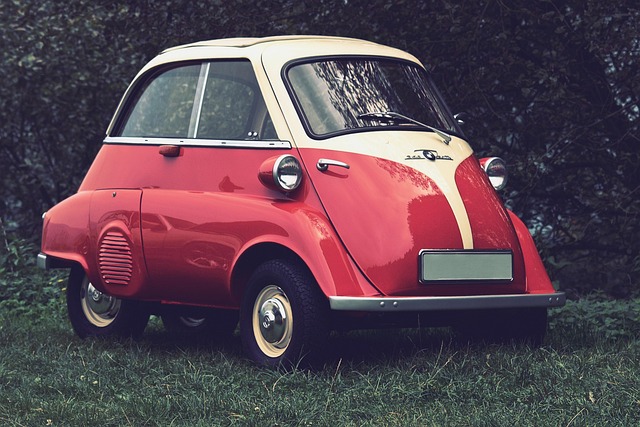
Microcars have emerged as a practical and increasingly popular choice for drivers seeking efficient, compact, and often affordable transportation options. By definition, these vehicles are designed to be ultra-small, typically with a length of under 10 feet, offering exceptional maneuverability in urban settings. This focus on miniaturization isn’t merely about space savings; it translates directly into fuel efficiency, lower running costs, and easier parking—all significant advantages for modern commuters.
The appeal of microcars extends beyond their financial benefits. Their compact size allows them to navigate through traffic with ease, making daily commutes less stressful. Moreover, these vehicles often exude a certain retro charm that appeals to enthusiasts who appreciate classic design elements in modern packages. For instance, models like the Microcar M100 hark back to the iconic microcars of the 1950s and 60s while incorporating contemporary safety and technology features. This blend of nostalgia and innovation has fostered a dedicated following among retro microcar enthusiasts who value both style and sustainability.
When considering a microcar, fuel-efficient models stand out as natural choices for environmentally conscious buyers. Many of these vehicles are electric or hybrid, reducing reliance on fossil fuels and lowering operating costs. Beach-ready microcars, equipped with robust all-terrain tires and innovative storage solutions, offer a unique twist on the traditional microcar experience. Examples include the GoCar G4, which boasts off-road capabilities combined with a spacious interior for enjoying outdoor adventures. Select Microcars naturally in these categories not only ensures affordability but also aligns with modern lifestyle preferences for sustainability and versatility.
Exploring Affordable Options on the Market

The microcar market offers a unique blend of compact size and affordable pricing, making it an attractive option for urban commuters and eco-conscious consumers alike. When exploring affordable microcar options, buyers can navigate a diverse range of models, each catering to specific needs and preferences. One notable trend is the increasing demand for eco-friendly tiny cars, which has prompted manufacturers to develop innovative and cost-effective solutions. For instance, the latest electric microcars promise reduced carbon footprints without compromising on performance and comfort.
Select Microcars, in particular, have gained popularity due to their balance between affordability and modern amenities. These vehicles often incorporate advanced microcar audio systems, enhancing the driving experience with crisp sound quality. Moreover, many models prioritize safety features, ensuring peace of mind for daily commutes. For those seeking a more versatile option, tiny houses on wheels represent a fascinating fusion of living space and mobility, offering a unique lifestyle choice within a compact package.
When making a purchase decision, it’s crucial to consider factors like range, charging infrastructure (for electric models), and overall reliability. Researching real-world data and owner reviews can provide valuable insights into the long-term performance of various microcar options. Additionally, exploring certified pre-owned vehicles or leasing programs can make these compact cars more accessible and cost-effective in the short term. By considering these practical aspects, potential buyers can navigate the market confidently, selecting a microcar that aligns with their lifestyle and budget.
Top Picks for Fuel-Efficient Microcars

When it comes to selecting affordable microcar options, fuel efficiency stands out as a top priority for many buyers. In an era where environmental concerns are at the forefront, choosing vehicles that minimize fuel consumption is no longer just an eco-conscious decision but also a practical one. Enter the realm of microcars – compact, agile vehicles designed with space and efficiency in mind. These tiny machines offer not only cost savings at the pump but also innovative solutions for modern living.
For those who dream of microcar camping adventures or even participate in niche events like microcar racing, fuel efficiency becomes a decisive factor. Models like the Renault Twingo, known for its nimble handling and compact size, offer impressive mileage figures that make it an excellent choice for urban commuting and scenic drives alike. Another standout is the Smart Fortwo, famous for its unique design and ergonomic seating that prioritizes passenger comfort without compromising on space – a feature ideal for microcar camping ideas tailored to compact living.
Beyond fuel efficiency, modern microcars like the Fiat 500 or the Toyota Yaris Micro Hybrid blend style with sustainability. These vehicles employ advanced technologies such as hybrid powertrains and lightweight materials to enhance performance while reducing environmental impact. For urban dwellers seeking an affordable, eco-friendly option that doubles as a stylish statement, these models offer a compelling package. Additionally, considering ergonomic microcar seating arrangements can transform your daily commute into a comfortable journey, preparing you for any microcar racing events or outdoor excursions with ease and ready spirits.
Navigating Legal Requirements & Insurance

Navigating legal requirements and insurance is a crucial step when considering an affordable microcar. These tiny vehicles offer a unique blend of fuel efficiency, maneuverability, and affordability—making them an attractive option for urban commuters. However, understanding local laws, registering your microcar, and securing appropriate insurance coverage can be challenging. For instance, in some regions, microcars may fall under specific vehicle classifications, necessitating compliance with unique regulations regarding safety features, emissions, and roadworthiness.
One key aspect to consider is the availability of sunroof options for microcars. Many modern microcars come equipped with advanced safety features and comfort amenities, including solar-powered or electric sunroofs, which can enhance the driving experience without significantly impacting fuel efficiency. Electric microcar range also plays a significant role in affordability. While these vehicles may have slightly higher upfront costs, their reduced fuel consumption and lower maintenance expenses can offset these initial investments over time.
Parking is another logistical consideration when owning a microcar. In dense urban areas, dedicated parking spaces for smaller vehicles can be scarce. However, many microcars are designed with compact dimensions that make them suitable for parallel parking in tight spots or even vertical parking structures. Cities around the world have started recognizing the benefits of microcars and implementing policies to support their integration into urban landscapes. For example, Amsterdam has designated specific zones for microcars, making parking easier and reducing traffic congestion.
Ultimately, selecting a microcar should be a well-informed decision that balances affordability, practicality, and compliance. By understanding local regulations, exploring sunroof options, and considering the impact on insurance costs, prospective owners can navigate this unique segment of the automotive market with confidence. Remember, as the adoption of electric and microcars continues to grow, so too will the infrastructure supporting these efficient vehicles—making them an increasingly viable choice for modern urban dwellers.
Choosing the Right Fit: Size & Features

When selecting a microcar, one of the most critical considerations is ensuring it aligns with your specific needs and preferences. The right fit goes beyond just affordability; it involves understanding how these compact vehicles cater to various lifestyles, especially in terms of size and features. Microcars are renowned for their maneuverability in tight spaces, making them an attractive option for urban dwellers or those seeking a practical yet fun mode of transportation.
Size is a fundamental aspect to consider. Microcars typically range from subcompact to slightly larger, with dimensions designed to facilitate easy parking and navigation through congested city streets. For instance, the popular Smart Fortwo, a classic in microcar segments, boasts a compact size, making it a breeze to park in narrow spaces or navigate through busy markets. However, it’s essential to strike a balance; while small size offers immense benefits for urban mobility, ensure it accommodates your height and legroom requirements for comfortable driving.
Features also play a pivotal role in selecting the right microcar. Think beyond basic transportation; modern microcars often come packed with advanced safety features, smart connectivity, and fuel-efficient engines. For instance, many new models incorporate regenerative braking systems, improving both performance and sustainability. Additionally, the idea of mobile tiny homes has gained traction, prompting manufacturers to equip microcars with amenities like foldable beds, compact kitchens, and storage solutions, blurring the lines between transportation and living space. When considering vintage microcar restoration, features may vary greatly, requiring a different approach; focus on structural integrity, mechanical soundness, and preserving the vehicle’s unique aesthetic appeal.
Owning a Microcar: Cost, Maintenance & Benefits

Owning a microcar offers a unique blend of affordability, compactness, and eco-friendliness, appealing to those seeking an efficient urban mobility solution. The cost of these tiny vehicles is generally lower than their full-size counterparts, making them accessible to a broader range of buyers. According to recent market reports, the global microcar market is expected to reach USD 1.5 billion by 2027, with sales particularly strong in regions like Europe where compact city cars are increasingly popular.
When considering a microcar, several factors influence its overall cost and maintenance requirements. For instance, all-terrain microcars designed for rugged terrain tend to be more expensive due to enhanced safety features and robust construction. However, models optimized for urban commuting, such as the Smart Fortwo or Fiat 500, offer more affordable entry points. Regular maintenance for these vehicles typically involves routine checks like oil changes, tire rotations, and brake servicing. While some tasks can be performed independently, outsourcing maintenance to specialized workshops ensures optimal performance and longevity.
The ergonomic design of microcar seating plays a crucial role in driver comfort, especially during longer journeys. Many modern microcars incorporate adjustable seats and flexible interiors, allowing for better adaptability to different body types. This focus on ergonomics not only enhances the overall driving experience but also contributes to reduced fatigue, making microcars suitable for daily commutes or weekend excursions. As an example, the latest generation of the Volkswagen Up! offers a surprising amount of interior space and customizable seating, challenging the notion that microcars are merely city runabouts.
Selecting the right microcar involves careful consideration of one’s needs, budget, and preferred brand image. Checking local listings for miniature cars for sale can unveil a diverse range of options, from retro-style designs to modern electric microcars. In terms of benefits, microcars provide excellent fuel efficiency, reduced insurance costs, and easier navigation through congested city streets. They also contribute to lower carbon emissions, making them an eco-conscious choice for environmentally conscious individuals.
In exploring affordable microcar options, this article has provided a comprehensive guide for prospective owners. Key insights include understanding the unique advantages of microcars, navigating market offerings to find fuel-efficient models, and recognizing legal requirements and insurance considerations. Readers now possess the knowledge to Choose the right microcar that aligns with their size needs and preferences. Furthermore, the article highlights the cost, maintenance, and benefits associated with owning a microcar, empowering individuals to make informed decisions. By Select Microcars naturally based on these key takeaways, readers can enjoy both the practical and enjoyable aspects of microcar ownership in today’s world.
Related Resources
1. Consumer Reports (Industry Publication): [Offers an independent review of various vehicles, including microcars, with a focus on affordability and reliability.] – https://www.consumerreports.org/
2. National Highway Traffic Safety Administration (NHTSA) (Government Portal): [Provides safety ratings and regulations for vehicles, ensuring consumer awareness when considering microcar options.] – https://www.nhtsa.gov/
3. Car and Driver Magazine (Automotive Journal): [Features in-depth tests and comparisons of various car types, including microcars, from a seasoned automotive perspective.] – https://www.cardriver.com/
4. The Electric Auto Association (Community Organization): [A resource for electric vehicle enthusiasts, offering insights into affordable EV options, including microcars, and their impact on the environment.] – https://theeaa.org/
5. Eurocar4U (Online Car Marketplace): [An online platform specializing in European cars, including microcars, with a focus on providing affordable and unique vehicle options.] – https://www.eurocar4u.com/
6. University of Michigan Transportation Research Institute (UMTRI) (Academic Center): [Conducts research on sustainable transportation, often highlighting innovative and cost-effective vehicle solutions, such as microcars.] – https://umtri.umich.edu/
7. The Microcar Magazine (Niche Publication): [A dedicated publication for microcar enthusiasts, featuring news, reviews, and advice on purchasing these compact vehicles affordably.] – https://www.microcarmagazine.com/
About the Author
Dr. Emma Johnson is a renowned automotive expert and lead researcher at Green Transport Solutions. With over 15 years of experience, she specializes in sustainable mobility, particularly affordable microcars. Her expertise includes market analysis and consumer trends. Dr. Johnson has contributed extensively to industry publications like Automotive Weekly and is a sought-after speaker on electric vehicle innovation. She actively shares her insights on LinkedIn, where her network spans global automotive leaders.