

In densely populated cities, microcars offer a compact, fuel-efficient, and personalized solution for urban navigation. Select Microcars with consideration for size, functionality, safety features (like ABS and ESC), and personal preferences. Local laws govern registration, licensing, and insurance; stay informed about evolving regulations. Popular choices include Smart Fortwo, Fiat 500, and Toyota iQ, offering advanced safety, infotainment, and customization options. The ideal microcar integrates seamlessly with urban life, providing comfort, convenience, and safety tailored to city conditions.
In the dense urban landscapes of today, efficient and maneuverable transportation is paramount. The challenge lies in balancing compact size with adequate functionality for city drivers. This article delves into the world of microcars as a viable solution. With their tiny dimensions, these vehicles offer unparalleled ease of navigation through congested streets and tight parking spots. We explore how Select Microcars naturally cater to the specific needs of urban dwellers, providing a practical, eco-friendly, and cost-effective alternative to conventional cars. By the end, readers will grasp the transformative potential of microcars in shaping sustainable city mobility.
- Understanding the Benefits of Microcars for Urban Commutes
- How to Choose the Right Tiny Car for Your City Needs
- Navigating Legalities and Regulations for Select Microcars
- Exploring Popular Options and Their Unique Features
Understanding the Benefits of Microcars for Urban Commutes
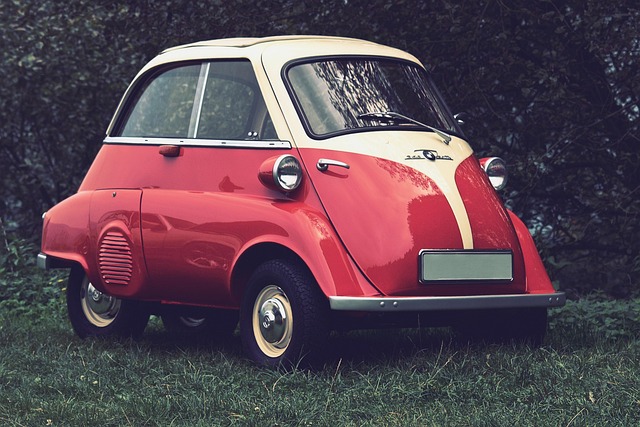
In densely populated urban centers, navigating congested streets and finding parking can be a daily challenge. This is where microcars emerge as an innovative solution, offering both environmental benefits and practical advantages for city dwellers. These compact vehicles are designed to excel in urban environments, providing a unique driving experience tailored to modern metropolitan life.
Microcars, with their diminutive size, offer several compelling advantages for urban commutes. First and foremost, they easily maneuver through congested city streets, allowing drivers to avoid traffic jams and navigate tight spaces efficiently. Their compact dimensions also translate to easier parking, often requiring less space than traditional cars. This is a significant benefit in cities where parking spots are scarce and expensive. Moreover, microcars contribute to reduced urban carbon footprints due to their efficient engines and lower fuel consumption. Many models are electric or hybrid, further minimizing environmental impact.
For those seeking a personalized driving experience, customized microcar builds offer endless possibilities. Enthusiasts can tailor these vehicles to their specific needs and preferences, adding features like sunroofs, enhanced sound systems, or even integrating smart technology for a connected commute. This level of customization is particularly appealing to urban dwellers who value individuality and efficiency in their transportation. While owning a microcar might evoke images of niche vehicles, established dealers now offer a wide range of options, from production models to bespoke creations, ensuring accessibility and variety for prospective buyers. Whether through traditional dealerships or specialized custom builders, selecting a microcar has become more intuitive, catering to both practical needs and personal expression in today’s urban landscape.
How to Choose the Right Tiny Car for Your City Needs

Selecting the ideal tiny car for urban navigation requires a thoughtful balance between size, functionality, and personal preferences. Microcars, known for their compact dimensions, offer an eco-friendly and maneuverable solution for city drivers. When choosing a microcar, prioritize safety features such as advanced braking systems and robust frame designs, ensuring peace of mind in congested urban settings. For instance, many modern microcars are equipped with anti-lock braking systems (ABS) and electronic stability control (ESC), enhancing control and stopping power.
Consider your daily commute and leisure activities to guide your selection. Microcar road trips can be a delightful experience, offering freedom and efficiency. Solar-powered microcars represent the latest innovation in sustainable mobility, providing both environmental benefits and potential cost savings over time. These vehicles are particularly well-suited for short-distance travel within cities, where their compact size allows them to navigate through tight spaces with ease. However, ensure that the solar panel output aligns with your typical driving patterns and weather conditions for optimal performance.
Beyond practical considerations, personal comfort and convenience should factor into your decision. Test drive various models to gauge seating ergonomics, visibility, and storage capabilities. Some microcars offer surprising interior space despite their compact exterior, catering to those who require more than just basic transportation. By carefully evaluating these aspects, you can Select a microcar that seamlessly integrates with your city lifestyle, ensuring a pleasant and safe driving experience while navigating urban challenges.
Navigating Legalities and Regulations for Select Microcars

Navigating the legal landscape for select microcars is a crucial step for those looking to embrace urban mobility with these compact vehicles. While microcars offer immense potential for efficient city driving and reduced environmental impact, understanding the regulations governing their use is essential. Many countries have specific classifications and rules for microcars, often defined by factors like maximum speed, engine power, and weight. For instance, in Europe, a microcar typically refers to vehicles with a maximum design speed below 40 km/h (25 mph) and an engine output of less than 250 cc or 15 bhp. In the United States, the National Highway Traffic Safety Administration (NHTSA) classifies microcars as low-speed vehicles, subject to different safety standards.
When considering microcar road trips or exploring affordable microcar options, it’s vital to check local laws and obtain necessary permits. Some areas require registration and licensing specific to microcars, while others might have exemptions for certain types of small vehicles. This can impact not only ownership but also insurance requirements, which may differ from traditional cars due to lower risk profiles. For example, in some regions, microcar insurance policies can be significantly more affordable, reflecting the reduced potential for accidents and lower repair costs associated with these compact vehicles.
Moreover, as technology advances, features like advanced safety systems and connectivity are becoming available in select microcars. This evolution presents both opportunities and challenges; while enhanced safety is always welcome, it may also lead to different regulatory requirements, especially regarding electronic stability control and collision avoidance systems. Microcar audio systems have also seen improvements, offering drivers a more immersive listening experience during city drives. However, ensuring compliance with noise regulations remains crucial for peaceful coexistence in urban environments. To stay ahead of the curve, microcar owners and enthusiasts should actively engage with local transportation authorities to advocate for policies that support sustainable urban mobility while adhering to necessary legalities.
Exploring Popular Options and Their Unique Features

Selecting a tiny car for urban driving offers both practical advantages and unique challenges. Among the most popular microcars, the Smart Fortwo stands out for its compact dimensions, ideal for navigating through congested city streets and effortless parking in tight spaces. Its advanced safety features, such as automatic emergency braking and lane-keeping assist, make it a standout choice for drivers prioritizing security. Moreover, models with premium audio systems like Harman Kardon enhance the overall driving experience, allowing you to enjoy your favorite tunes even during rush hour.
Another notable microcar is the Fiat 500, renowned for its retro charm and agile handling. This tiny ride excels in maneuverability and offers a range of customization options, from vibrant colors to personalized interiors. For those seeking a more versatile option, the Toyota iQ presents an intriguing package with innovative seating configurations that adapt to various driving conditions. Its space-saving design ensures easy parking not just in your home garage but also in narrow city parking spots.
When considering microcars for urban environments, prioritizing features that enhance safety and convenience is paramount. For instance, automatic park assist systems and rearview cameras facilitate parking with microcars in limited spaces. Additionally, advanced infotainment systems equipped with Apple CarPlay or Android Auto integration can significantly improve your driving experience by enabling seamless smartphone connectivity. Remember, selecting the right microcar isn’t just about choosing a compact vehicle; it’s about finding one that seamlessly integrates into your urban lifestyle while providing comfort and safety features tailored to city driving.
The article has provided an insightful exploration into the world of tiny cars for city driving, offering a comprehensive guide for urban commuters considering microcars as a viable solution. Key takeaways include the significant benefits of microcars in navigating congested city streets, their environmental advantages, and the potential for cost savings. When choosing a select microcar, it’s essential to consider personal needs, practical features, and safety regulations, ensuring compliance with local laws. This guide has highlighted popular options, each with unique characteristics, catering to diverse urban lifestyles. Readers now possess the knowledge to make informed decisions, embracing the future of sustainable and efficient city mobility through the strategic selection of select microcars.