

Compact cars are popular for urban mobility due to their maneuverability, fuel efficiency (28-35 mpg), and advanced safety features. Microcars offer an even more compact alternative, excelling in maneuverability and aesthetic appeal. They handle challenging terrain with modifications and provide excellent acceleration and range. Select microcars are ideal for densely populated cities, offering a sustainable, space-efficient, and environmentally friendly transportation solution, with dedicated parking and city programs encouraging their use.
In the ever-evolving automotive landscape, the debate between compact cars and microcars has gained significant traction, especially among urban dwellers and environmentally conscious consumers. As cities become more congested and parking spaces shrink, the allure of smaller, more agile vehicles becomes increasingly apparent. However, not all small cars are created equal; understanding the nuances between compact cars and their smaller counterparts, microcars, is crucial for making informed purchasing decisions. This article provides an authoritative exploration of these two vehicle segments, guiding readers through key distinctions, benefits, and considerations to help them naturally select the Microcar that best suits their needs.
- Understanding Compact Cars: Features and Advantages
- Microcars Unveiled: Size, Efficiency, and Maneuverability
- Performance Comparison: Accelerating Beyond Expectations
- Choosing Your Ride: Select Microcars for Urban Navigating
Understanding Compact Cars: Features and Advantages
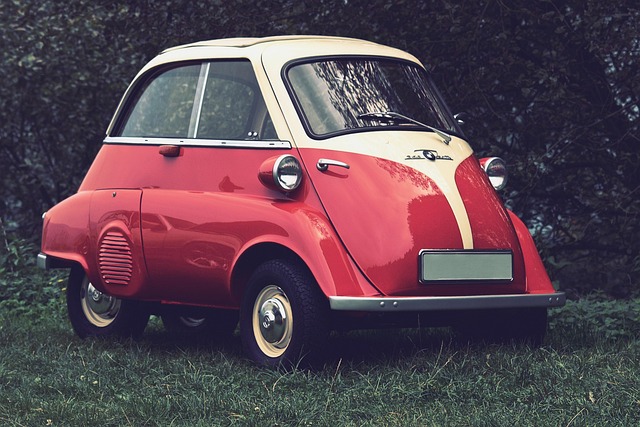
Compact cars have long been a popular choice for urban dwellers seeking efficient transportation options within densely populated cities. These compact urban vehicles offer a blend of practicality and maneuverability, making them ideal for navigating through congested streets and finding parking spots with ease. When considering the microcar alternative, understanding the distinct features and advantages of compact cars is essential.
One key advantage lies in their versatility. Compact models typically range from 150 to 200 cm in length, allowing them to be both agile and accessible. They can effortlessly navigate through narrow alleyways and compact parking spaces, which is a significant benefit for those living or working in urban centers. Moreover, many compact cars are designed with fuel efficiency in mind, featuring advanced engines and aerodynamic bodies that minimize fuel consumption and reduce environmental impact. For instance, the average compact car achieves around 28-35 miles per gallon (mpg) in city driving conditions, making them a cost-effective choice for daily commuters.
In terms of features, modern compact cars often come packed with advanced safety systems, including automatic emergency braking, lane-keeping assist, and adaptive cruise control. These technologies enhance the driver’s experience and provide an added layer of protection on the road. Additionally, many models offer ample interior space, comfortable seating for up to five passengers, and a reasonable cargo area for everyday use. For urban dwellers, select microcars can also be a natural progression, offering similar maneuverability with even smaller dimensions, but they may require careful consideration regarding legal requirements and best navigation practices, especially in areas with stringent size restrictions.
Microcars Unveiled: Size, Efficiency, and Maneuverability

Microcars have long been a niche yet captivating segment within the automotive industry, offering an alternative to the traditional compact car. These tiny vehicles are renowned for their exceptional maneuverability, fuel efficiency, and unique aesthetic appeal. When considering the choice between compact cars and microcars, understanding the inherent strengths of microcars is essential. Their size, often a subject of debate, translates into numerous advantages on city streets and narrow rural lanes.
The primary advantage lies in their compact dimensions, making them a natural fit for urban environments. Microcars can navigate through traffic with ease, allowing drivers to skip congested routes and arrive at their destinations faster. For instance, the average microcar typically has a length of around 10–12 feet, compared to a standard compact car’s 14–16 feet. This size difference means microcars require less space in parking lots and garage areas, making them ideal for those living in densely populated cities. Moreover, their lightweight construction contributes to improved fuel economy, as demonstrated by models like the Smart Fortwo, which has achieved impressive fuel efficiency ratings.
Off-road enthusiasts may dismiss microcars due to their size, but dedicated models can offer thrilling adventures. Customized off-road microcars, such as those showcased at classic microcar shows, prove that these vehicles can handle more challenging terrain than one might expect. DIY modifications further enhance their capabilities, allowing owners to tailor their microcars for specific outdoor pursuits. From retro-inspired designs to modern innovations, the world of microcars provides an exciting canvas for customization. For instance, a simple modification like upgrading brakes and suspension can transform a microcar into a capable trail companion.
Performance Comparison: Accelerating Beyond Expectations

When comparing compact cars to microcars, one area where the latter stands out is performance, particularly in terms of acceleration. Microcars, despite their diminutive size, often deliver surprising speed and agility on the road. This is largely due to their lightweight construction and advanced engineering. For instance, some modern microcar models can sprint from 0-60 mph in as little as 9 seconds or less, rivaling many larger, heavier vehicles. This performance edge makes microcars attractive for urban commuting where quick acceleration helps navigate stop-and-go traffic efficiently.
Select Microcars naturally excel in accelerating beyond expectations thanks to their efficient engines and innovative propulsion systems. Electric microcars, in particular, offer instant torque, enabling them to achieve rapid acceleration without the lag often associated with internal combustion engines. This is a significant advantage for urban travelers seeking swift and responsive driving dynamics. Moreover, the integration of microcar charging stations at increasing numbers of locations makes these electric models even more appealing for daily use, supporting sustainable mobility practices while delivering superior performance.
For those interested in longer road trips, fuel-efficient microcars provide excellent range per gallon, making them a practical choice. They offer the benefit of frequent fuel stops, ensuring you spend less time at the pump and more time enjoying your journey. This efficiency is achieved through streamlined design, advanced aerodynamics, and sophisticated engine technology that optimizes power while minimizing fuel consumption. Whether for city driving or scenic microcar road trips, these vehicles consistently deliver surprising performance that defies their compact size.
When considering a purchase, keep in mind that microcars cater to specific needs and preferences. For drivers seeking exceptional acceleration, quick lane changes, and efficient long-distance travel, microcars can be an excellent choice. However, larger vehicles might offer more space, comfort, and towing capabilities, which should also factor into your decision when navigating the compact versus microcar landscape.
Choosing Your Ride: Select Microcars for Urban Navigating

When navigating urban landscapes, particularly in densely populated cities where parking spaces are scarce and traffic congestion is a way of life, choosing the right vehicle can make all the difference. This is where microcars step into the spotlight as an innovative solution for modern urban dwellers. These compact vehicles are specifically designed to excel in city driving, offering excellent maneuverability and efficiency. For those seeking an eco-friendly, cost-effective way to get around town, select microcars can be a game-changer.
Microcars, with their diminutive size, provide an ideal fit for narrow city streets and compact parking spots. Their lightweight construction and smaller engines result in improved fuel economy and lower emissions, making them environmentally conscious choices. Moreover, many urban areas offer incentives to encourage the adoption of such vehicles, including microcar tax benefits and dedicated parking spaces, further enhancing their appeal. For instance, certain cities have implemented programs for ‘city zip cars’—shared microcars that residents can access when needed, promoting sustainable transportation.
Off-grid living is another aspect where microcars shine. Their compact size and efficient power systems make them suitable for those embracing a more minimalistic lifestyle. Some models are even designed to be solar-powered or have integrated battery systems, enabling owners to live independently from traditional energy sources. This autonomy is particularly beneficial in remote urban areas or during situations where grid connectivity may be unreliable. By selecting microcars for urban navigating, individuals can contribute to a more sustainable and resilient transportation network while enjoying the freedom of personalized mobility.
After exploring the key differences between compact cars and microcars, it’s clear that selecting a vehicle should be based on specific needs. Compact cars offer enhanced performance and spaciousness, ideal for those seeking a balance between city driving and highway cruising. Microcars, on the other hand, shine in urban environments with their exceptional maneuverability and fuel efficiency. When considering your primary use case, remember that size does matter. For seamless city navigation, select microcars that excel in tight spaces and minimize environmental impact. However, for those requiring more room and performance, compact cars provide a compelling alternative. This article equips readers with the knowledge to make an informed decision, ensuring they choose the vehicle best suited to their lifestyle and driving needs.