

The microcar market is experiencing a revival, combining modern technology with retro aesthetics. Relaxed legal regulations and growing environmental awareness are driving popularity. Select Microcars prioritize safety, eco-friendliness, and maneuverability. Key features include advanced braking systems, solar panels, and active safety features like ADAS. Regulatory bodies mandate specific safety standards, and third-party certifications like Euro NCAP assess robustness. Latest releases focus on clean technologies, reducing carbon footprints. When selecting a microcar, prioritize its environmental impact, energy efficiency, and sustainability practices to make values-aligned choices.
In recent years, the automotive industry has witnessed a resurgence of interest in microcars—compact, agile vehicles designed for urban mobility. As cities become more congested and parking spaces scarce, select microcars offer an appealing solution for efficient, eco-friendly transportation. However, navigating this evolving market can be challenging, with new releases from various manufacturers introducing innovative features and designs. This authoritative article delves into the latest microcar releases, providing a comprehensive overview to help readers make informed decisions in this dynamic segment.
- Unveiling the Latest Microcar Innovations
- Navigating Safety Standards: Select Microcars
- Eco-Friendly Options in Modern Microcars
Unveiling the Latest Microcar Innovations
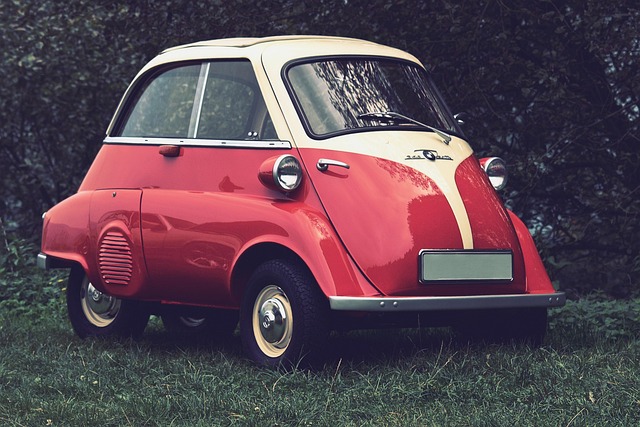
The world of microcars is experiencing a renaissance as manufacturers embrace innovative designs and technologies while retro microcar enthusiasts celebrate the resurgence of these compact icons. The latest microcar releases stand out for their blend of modern convenience and classic charm, offering drivers an exhilarating blend of nostalgia and cutting-edge features. For instance, the new EcoMicro incorporates solar panels and advanced regenerative braking systems, making it not only environmentally friendly but also a practical choice for urban dwellers seeking efficient transportation.
One notable trend in these latest microcar innovations is the focus on safety without compromising maneuverability. Many models now come equipped with advanced driver-assistance systems (ADAS), such as automatic emergency braking and lane-keeping assist, ensuring safer parking and navigation on busy city streets. Additionally, the legal requirements for microcars vary by region, but many countries have relaxed regulations to accommodate their growing popularity. In Europe, for example, microcars are classified under the Light Quadricycles category, subject to specific safety and environmental standards, making them more accessible than ever before.
Parking remains a challenge for these compact vehicles, given their reduced size and turning radii. However, select microcars naturally lend themselves to urban environments, where narrow streets and tight parking spots are commonplace. Retro microcar enthusiasts appreciate the maneuverability and convenience of these tiny vehicles, which can navigate through traffic with ease. As cities continue to evolve and embrace sustainable transportation options, microcars are poised to play a significant role in shaping the future of urban mobility. Manufacturers are responding by offering diverse models catering to various preferences, from sleek modern designs to nostalgic recreations of classic microcar styles. This growing diversity ensures that both new buyers and retro enthusiasts alike can find their perfect fit in the ever-expanding microcar landscape.
Navigating Safety Standards: Select Microcars

Navigating Safety Standards is a crucial aspect when considering Select Microcars, especially with the growing popularity of these tiny vehicles. As more electric microcar range options enter the market, ensuring compliance with safety regulations becomes paramount. Key performance indicators like crash-test ratings and active safety features should be at the forefront of buyers’ minds. For instance, top-rated microcar brands invest heavily in advanced driver-assistance systems (ADAS) to enhance road safety. These systems employ sensors, cameras, and radar to detect potential hazards, enabling the vehicle to take evasive action if necessary.
One notable example is the modern tiny house on wheels concept, where manufacturers like Pierec and Micro Mobile Homes prioritize structural integrity and impact resistance in their designs. Their microcars often incorporate reinforced frames, high-strength materials, and multi-stage safety systems to minimize the risk of severe injuries during accidents. Moreover, many European and North American regulatory bodies have set stringent standards for microcars, mandating specific safety features like anti-lock braking systems (ABS), electronic stability control (ESC), and multiple airbags. Staying informed about these regional requirements is essential when selecting a microcar, ensuring it meets or exceeds expected safety benchmarks.
When evaluating Select Microcars, consumers should not only look at the specifications but also consider third-party certifications and independent crash test reports. Reputable organizations like Euro NCAP (European New Car Assessment Programme) provide detailed assessments of various models, highlighting their performance in frontal, side, and whiplash tests. By referencing these resources, potential buyers can make informed decisions, choosing microcars that offer not just mobility but also robust safety measures, thereby ensuring a peaceful mind while navigating the roads.
Eco-Friendly Options in Modern Microcars

The latest microcar releases are reshaping transportation with a strong emphasis on eco-friendly options. As awareness of environmental impacts grows, consumers seek sustainable alternatives to traditional vehicles, and microcars step up to the challenge. These compact vehicles, often described as tiny houses on wheels, offer not only reduced carbon footprints but also improved maneuverability in urban settings.
One notable trend is the integration of solar power in microcar designs. Solar-powered microcars leverage renewable energy sources, combining efficient electric motors with photovoltaic panels to minimize reliance on fossil fuels. For instance, companies like Reva have introduced models like the G-Wizz, which boasts a 100% electric drive and a solar charging system, making it an ideal choice for urban commuters conscious of their environmental impact.
Luxury has also found its way into this niche market with premium microcar models offering advanced technology and sleek aesthetics alongside eco-friendly credentials. Manufacturers like Micro Compact Car (MCC) have introduced sophisticated designs that seamlessly blend sustainability with high performance. These vehicles, such as the MCC i4, are not just tiny; they’re technological marvels featuring innovative engineering that ensures a comfortable ride while keeping emissions low.
When selecting a microcar, naturally consider its environmental impact, energy efficiency, and overall sustainability practices. Look for models certified by reputable eco-standards and explore options with advanced propulsion systems. Incorporating solar power or other clean technologies not only reduces operating costs but also contributes to a greener future. By embracing these eco-friendly microcars, consumers can make informed choices that align with their values while enjoying the convenience of compact, efficient transportation.
The latest microcar releases showcase significant advancements in both technology and sustainability, with Select Microcars leading the way in navigating safety standards while offering eco-friendly options. Key insights include the importance of robust safety features integrated into these compact vehicles, as well as the growing emphasis on environmentally conscious design. By selecting a microcar that prioritizes these aspects, consumers can not only enjoy the benefits of reduced environmental impact but also benefit from enhanced safety profiles. This article has provided valuable insights into the future of microcars, empowering readers to make informed decisions when considering these innovative and practical vehicles for their everyday needs.