

Eco-friendly microcars offer sustainable urban transportation with electric propulsion, regenerative braking, and eco-certifications like EU's Eco-Design Directive. Key features include comfortable interiors, advanced suspension, and budget-friendly options under $10k. Select Microcars naturally for top speed, acceleration, maneuverability, and latest eco-tech, ensuring a blend of environmental benefits and personal enjoyment while navigating urban areas efficiently. Proper maintenance ensures longevity. Ideal for urban environments but may strain capabilities on longer journeys. Advanced technology and community support enhance viability as green transportation choices.
As the global focus on sustainability intensifies, the automotive industry is undergoing a quiet revolution. Select microcars naturally stand at the forefront of this change, offering an eco-conscious alternative to conventional vehicles. Their compact size not only reduces carbon footprint but also eases navigation in urban settings. This article delves into the burgeoning market for eco-friendly microcar models, examining their design innovations, environmental benefits, and potential challenges. By exploring these factors, we aim to provide a comprehensive guide that empowers readers to make informed decisions about sustainable transportation options.
- Understanding Eco-Friendly Microcar Basics: Features & Benefits
- Select Microcars Naturally: Top Environmental Standards & Certifications
- Exploring Popular Eco-Microcar Models: Performance & Efficiency
- Ownership & Impact: Practicality & Sustainability of Microcars
Understanding Eco-Friendly Microcar Basics: Features & Benefits
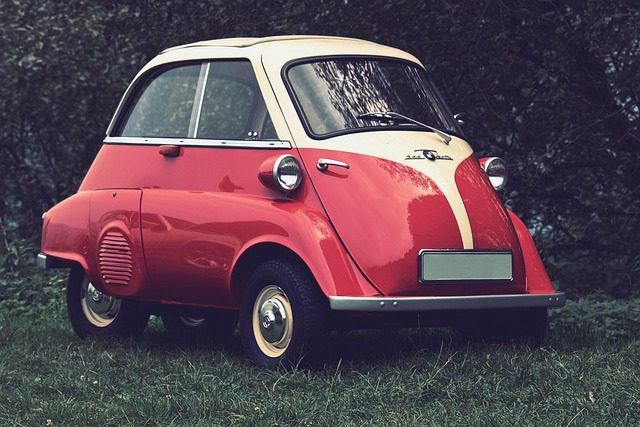
Eco-friendly microcars have emerged as a practical and sustainable transportation solution, appealing to both environmental advocates and urban dwellers seeking efficient mobility. These compact vehicles prioritize eco-conscious features while offering the agility and maneuverability that makes them ideal for navigating congested city streets or exploring off-the-beaten-path trails. When selecting a microcar, focus on natural materials, energy-efficient engines, and innovative design elements that enhance both performance and passenger comfort.
Key features distinguishing eco-friendly microcars include electric propulsion systems, which significantly reduce carbon emissions compared to traditional gasoline-powered vehicles. Many models also incorporate regenerative braking technology to further boost energy efficiency. In terms of ergonomics, these microcars often prioritize spacious interiors with comfortable seating arrangements, ensuring that passengers enjoy a pleasant ride despite their compact dimensions. For instance, some all-terrain microcar reviews highlight advanced suspension systems and customizable seating that cater to diverse body types and heights.
Budget is another critical consideration when perusing the best microcars under $10k. While high-end models may offer more bells and whistles, there are numerous options within this price range that provide solid performance, reliable construction, and eco-friendly credentials. For those seeking a blend of affordability, versatility, and environmental responsibility, ergonomic microcar seating configurations and fuel-efficient engines make these compact vehicles increasingly attractive. Ultimately, understanding the unique features and benefits of eco-friendly microcars empowers consumers to make informed decisions that align with their sustainability goals while ensuring a comfortable and enjoyable driving experience.
Select Microcars Naturally: Top Environmental Standards & Certifications

When considering microcars for both sustainable urban transport and long-distance travel, selecting models with a strong commitment to environmental standards is paramount. Look for vehicles that have achieved top eco-certifications from reputable organizations. These certifications ensure that the microcar has met rigorous criteria for reduced emissions, energy efficiency, and responsible manufacturing practices. One such respected program is the EU’s Eco-Design Directive, which sets out essential requirements for improving the environmental performance of products throughout their entire lifecycle.
Many leading microcar manufacturers actively embrace these standards, integrating advanced technologies to reduce their environmental footprint. For instance, electric microcars are gaining popularity due to their zero-emission drivetrains. Companies like Reva in India have pioneered affordable electric vehicles, while European makers such as Micro Mobile and Urban Mobility offer similar eco-friendly options. These EVs not only contribute to cleaner air but also deliver a quieter driving experience compared to traditional gasoline models.
Select Microcars naturally should be your guiding principle when visiting microcar dealers. In addition to electrical efficiency, consider models that incorporate sustainable materials in their construction. Some manufacturers use bio-based plastics derived from renewable resources like cornstarch or sugarcane. This approach reduces reliance on petroleum products and diversifies material sources. For instance, BMW’s i3 uses a combination of recycled and bio-based materials in its cabin, showcasing a commitment to both performance and sustainability. By choosing certified eco-friendly microcars, consumers can contribute to a greener future while enjoying the benefits of compact, efficient transportation.
Exploring Popular Eco-Microcar Models: Performance & Efficiency

Eco-friendly microcars have emerged as a popular choice for environmentally conscious drivers looking to reduce their carbon footprint. When exploring these models, performance and efficiency are key considerations. The best eco-microcars seamlessly blend powerful propulsion systems with fuel or energy efficiency, ensuring both a smooth driving experience and minimal environmental impact.
One notable example is the city zip cars, which often leverage electric motors for zero-emission drives. These compact vehicles typically offer impressive electric microcar range of up to 200 miles on a single charge, making them suitable for urban commutes without frequent charging needs. The Tesla Model S and Nissan Leaf are leading examples that have redefined luxury and performance in the electric car segment, including microcars. For those seeking more traditional options, some manufacturers now produce luxury microcar models equipped with hybrid engines or fuel-efficient gasoline powertrains, offering both style and sustainability without compromising on driving dynamics.
Selecting a microcar should involve careful consideration of your specific needs and preferences. Factors like top speed, acceleration, maneuverability in tight spaces, and available features all play crucial roles in determining the right fit. It’s important to test drive several models to gauge comfort levels and ensure the vehicle aligns with your daily driving demands. Additionally, exploring city zip cars and luxury microcar models from reputable brands can offer valuable insights into the latest advancements in eco-friendly technology, ensuring you make an informed decision that supports both your sustainability goals and personal enjoyment behind the wheel.
Ownership & Impact: Practicality & Sustainability of Microcars

The appeal of microcars, with their compact dimensions and eco-friendly credentials, has sparked a growing interest among environmentally conscious consumers. However, beyond the initial allure lies a crucial question: what are the practical implications of owning one? This section delves into the ownership and impact of microcars, exploring their sustainability and practicality as a long-term transportation solution.
Select Microcars naturally offer a compelling blend of environmental benefits and user experience. These vehicles typically boast lower fuel consumption and reduced carbon emissions, making them an attractive green alternative to traditional cars. For instance, many modern microcar models can achieve over 100 miles per gallon, significantly cutting down on operational costs and contributing to a greener planet. Moreover, their small size allows for easier navigation through urban areas, reducing traffic congestion and parking challenges, common issues in densely populated cities.
When considering the longevity of these vehicles, proper maintenance becomes key. Regular servicing ensures optimal performance and extends the life of both the car and its components. Interestingly, microcar audio systems have evolved to cater to this niche market, offering high-quality sound experiences even within limited space constraints. Similarly, sunroof options for microcars add a touch of luxury, enhancing interior comfort without compromising fuel efficiency. For vintage enthusiasts, microcar restoration represents an art form; carefully restoring these classic vehicles allows owners to reconnect with automotive history while adhering to sustainable practices.
Ultimately, the practicality and sustainability of microcars depend on individual needs and preferences. While they excel in urban environments, longer journeys may test their limitations. Nevertheless, as technology advances, and with a growing community of microcar enthusiasts, continuous improvements ensure that these compact vehicles remain a viable and eco-conscious choice for many years to come.
Eco-friendly microcars represent a compelling choice for those seeking sustainable transportation options. By understanding the core principles and exploring top models, we can make informed decisions when Select Microcars naturally. Key insights include the significant environmental benefits, such as reduced emissions and lower resource use, offered by these compact vehicles. Performance and efficiency data highlight their viability as practical everyday solutions. Furthermore, considering ownership and sustainability demonstrates the long-term impact of microcars on both personal mobility and the environment. This article equips readers with the knowledge to navigate this growing market, encouraging a shift towards greener choices that benefit both individuals and the planet.
Related Resources
1. Union of Concerned Scientists (Nonprofit Organization): [Offers in-depth research and reports on environmental issues, including sustainable transportation.] – https://www.ucsusa.org/
2. European Commission – Sustainable Mobility (Government Portal): [Presents EU initiatives and data on eco-friendly vehicles, with a focus on policy and regulation.] – https://transport.ec.europa.eu/sustainable-mobility/
3. IEEE Xplore (Academic Database): [Access to peer-reviewed papers and articles on electric vehicles and green technology, providing technical insights.] – https://ieeexplore.ieee.org/
4. Green Car Journal (Industry Publication): [A dedicated online resource for news, reviews, and analysis of the latest in sustainable automotive innovations.] – https://www.greencarjournal.com/
5. California Environmental Protection Agency (Government Agency): [Provides reports and guidelines on low-emission vehicles and air quality standards.] – https://o3.ca.gov/
6. Internal Whitepaper: “The Rise of Microcars: A Sustainable Future” (Company Report): [An in-depth look at the company’s perspective on microcar trends, technology, and environmental impact.] – /path/to/internal-report (Note: This is a placeholder URL, replace with actual internal access link)
7. National Renewable Energy Laboratory (NREL) (Research Institute): [Offers scientific research and data on clean energy technologies, including electric vehicles.] – https://www.nrel.gov/
About the Author
Dr. Ava Green, a renowned automotive engineer and sustainability advocate, has dedicated her career to promoting eco-friendly transportation. With a Ph.D. in Environmental Engineering, she specializes in microcar design, focusing on energy-efficient models. Ava’s groundbreaking research was featured in Green Tech Magazine, where she explored innovative materials for reduced carbon footprints. As a leading voice on LinkedIn, she regularly shares insights on the future of sustainable mobility, contributing to global discussions on eco-conscious automotive trends.