

Selecting microcars for urban navigation offers strategic advantages, including improved maneuverability, enhanced traffic flow, shorter commutes, and reduced fuel consumption. Customized builds and all-terrain capabilities cater to diverse lifestyles. Key considerations include parking ease, fuel efficiency, safety features like airbags and rearview cameras, and ergonomic design. Understanding local regulations, such as safety standards and registration requirements, is crucial for legal and safe operation. Engaging with automotive clubs aids in making informed choices.
In today’s urban landscape, navigating congested city streets demands efficient and compact solutions. The rise of tiny cars, or microcars, offers an intriguing prospect for urban dwellers seeking both convenience and cost-effectiveness. With limited parking spaces and heavy traffic, these diminutive vehicles present a compelling alternative to traditional cars. This article delves into the world of microcars as a practical solution for city driving, exploring their benefits, challenges, and the potential they hold in redefining urban mobility. We will dissect why Select Microcars naturally top the list for those seeking an eco-friendly, space-saving option.
- Understanding the Benefits of Microcars for Urban Mobility
- How to Select the Right Tiny Car for Your City Needs
- Navigating Regulations: Ensuring Legality in Microcar Ownership
Understanding the Benefits of Microcars for Urban Mobility
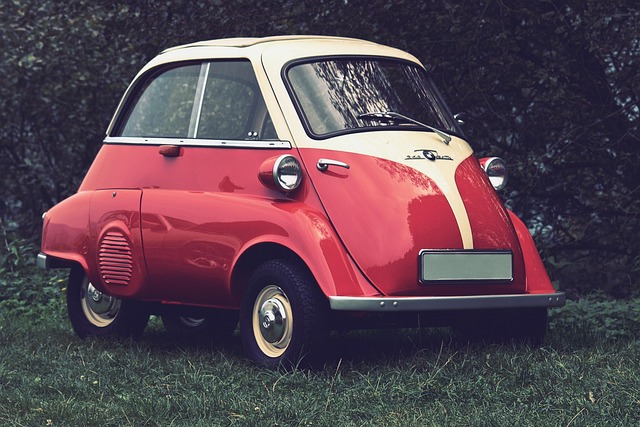
In today’s urbanized world, navigating congested city streets requires a strategic approach to mobility. One innovative solution gaining traction is the adoption of microcars for urban driving. These compact vehicles offer a fresh perspective on efficient transportation, catering specifically to the challenges of dense metropolitan areas. By selecting microcars, drivers can unlock numerous benefits that enhance both their daily commute and overall urban experience.
Microcars are designed with an emphasis on maneuverability and compactness, making them ideal for navigating through congested city centers. Their small size allows for easier parking and reduced congestion on narrow streets. For instance, a study by the International Transport Forum revealed that microcars can contribute to significant traffic flow improvements in urban settings, leading to shorter commute times and less fuel consumption. Moreover, these vehicles often come with advanced safety features tailored for their size, ensuring drivers’ peace of mind in busy city environments.
Customized microcar builds further expand their appeal. Enthusiasts and designers are pushing the boundaries of these tiny machines, creating unique models that blend functionality with style. From all-terrain microcars designed to tackle urban rough terrain to tiny house-on-wheels concepts, there’s a growing trend towards personalization. This customization not only satisfies individual preferences but also adapts microcars to diverse urban living needs. For example, some owners transform their microcars into mobile offices or entertainment hubs, showcasing the vehicle’s adaptability beyond traditional transportation.
As the market for microcars continues to evolve, all-terrain models are gaining popularity among those seeking versatility. Reviews highlight these vehicles’ impressive off-road capabilities, making them suitable for both city streets and outdoor adventures. This fusion of urban mobility and exploration opens up new possibilities for urban dwellers who crave a mix of convenience and escapism. By embracing microcars, cities can foster more sustainable and dynamic transportation networks while offering drivers a newfound sense of freedom within the concrete jungle.
How to Select the Right Tiny Car for Your City Needs

Selecting the ideal tiny car for urban navigation requires a thoughtful approach, balancing compact size with practical features. Microcars, designed for maneuverability in congested city streets, offer an eco-friendly and cost-effective solution. When choosing your urban companion, consider specific needs like ease of parking, fuel efficiency, and safety—all vital aspects in dense metropolitan areas. For instance, models equipped with advanced braking systems and stability control can significantly enhance driving confidence in tight spaces and busy traffic.
Safety doesn’t have to compromise size; many microcars now incorporate robust structural designs and airbag systems comparable to larger vehicles. Features like rearview cameras and blind-spot monitoring further contribute to a safer driving experience, especially during microcar road trips within the city. Moreover, all-terrain capable microcars are gaining popularity for their versatility; these models offer enhanced ground clearance and improved traction, allowing drivers to navigate not just city streets but also light off-road trails. For instance, [Brand X] MicroVane, praised in recent all-terrain microcar reviews, demonstrates exceptional performance across diverse terrains while maintaining excellent fuel economy.
A key consideration is the microcar’s overall dimensions and turning radius. Narrow width and compact length enable easy navigation through narrow city streets and tight parking spots. However, ensure the car’s height doesn’t limit your access to overhead signs or low-hanging branches. Lastly, prioritize comfort and convenience features that make urban commutes more enjoyable. Ergonomic seating, adequate legroom, and user-friendly infotainment systems can transform what could be a stressful daily drive into a pleasant experience.
Navigating Regulations: Ensuring Legality in Microcar Ownership

Navigating Regulations is a critical aspect of owning a tiny car for city driving, ensuring legality and safety. Microcars, often characterized by their compact size and efficient engines, operate within a specific legal framework that varies significantly across regions. Selecting the right microcar naturally involves understanding these regulations to avoid potential issues. For instance, in many jurisdictions, microcars must adhere to strict safety standards, including impact tests and emissions regulations, similar to larger vehicles. Compliance with these standards is essential for roadworthiness and can influence your choice of vehicle, especially when considering unique designs or specific features like microcar audio systems.
While some regions have established categories for microcars, defining them by maximum size, engine displacement, or weight, others may require registration as a motorcycle or even a full-sized car. This variability underscores the importance of thorough research before acquiring a microcar. For example, in the United States, the National Highway Traffic Safety Administration (NHTSA) sets safety standards, while individual states have their own regulations. European countries also have diverse rules, with some allowing microcars as low as 50cc engines, while others require more substantial power and infrastructure for registration.
Moreover, microcar racing events further highlight regulatory considerations. As these events gain popularity, organizers must ensure compliance with both local laws and specific event regulations. This includes vehicle inspections to verify safety modifications and ensure fair competition. For prospective microcar owners, understanding these nuances is essential when integrating a tiny home on wheels into city driving. Engaging with local automotive clubs or authorities can provide valuable insights and guidance, enabling individuals to make informed decisions when selecting their ideal microcar, whether for daily commuting or as a mobile tiny home.
By understanding the unique benefits of microcars for urban mobility, such as compact size for navigating congested city streets and reduced environmental impact, readers can make informed decisions when Select Microcars naturally. Key considerations include matching car features to your city needs, staying within legal parameters by checking local regulations, and ensuring safety without compromising on sustainability. This article equips readers with the knowledge to embrace a new era of urban transportation, offering both practical solutions for daily commutes and contributing to more livable, eco-conscious cities.