

The resale value of microcars is shaped by four primary factors: fuel efficiency and environmental considerations, market demand for popular models, vehicle condition and service history, and regional preferences. Select Microcars that align with current trends, maintain meticulous records, and consider geographical influences to maximize investment potential. Models like the Smart Fortwo and Daihatsu Copen have proven strong resale value due to their unique features and reliability. Understanding these factors is key to navigating the microcar market successfully.
Microcars have gained popularity as practical and eco-friendly urban transportation options. However, understanding their resale value presents a challenge for prospective buyers. The market dynamics of these compact vehicles are unique, influenced by factors like limited production runs, evolving regulations, and niche appeal. This article provides an in-depth exploration of microcar resale values, offering insights tailored to help discerning consumers make informed decisions when purchasing or selling Select Microcars. By the end, readers will gain a comprehensive understanding of the factors that drive—or dampen—resale potential, enabling them to navigate this market with confidence and expertise.
- Understanding Microcar Resale Value Factors
- Market Trends for Select Microcars Over Time
- Condition & Age Impact on Resale: A Deep Dive
- Popular Models and Their Retainable Worth
- Location: How Geographical Area Affects Sales
- Tips for Maximizing Your Microcar Resale
Understanding Microcar Resale Value Factors
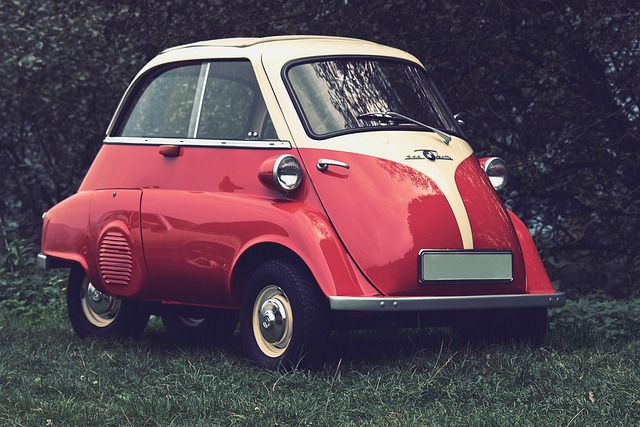
The resale value of microcars is influenced by several key factors. When considering a purchase, it’s crucial to understand these dynamics, as they can significantly impact your long-term investment. Firstly, fuel-efficient microcars tend to hold their value better due to rising fuel costs and increasing environmental awareness. These vehicles not only offer practical, sustainable urban transport options but also appeal to eco-conscious buyers looking for affordable microcar choices.
Secondly, the overall market demand plays a substantial role. Popular models with high resale values are often those that have strong secondary markets, meaning there’s a steady demand from both individual buyers and dealers. For instance, certain European brands known for their compact and efficient microcars typically maintain higher resale values compared to their American counterparts.
Thirdly, the condition and maintenance history of the vehicle are paramount. Regular servicing and well-documented service records can significantly boost resale value. Moreover, selecting a Microcar naturally equipped with modern technology and safety features, while also being fuel-efficient, can attract a wider range of buyers, further enhancing its resale potential.
Lastly, regional factors cannot be overlooked. Location affects demand, and some areas may have higher preferences for specific types of microcars. For example, coastal cities might favor microcars suitable for narrow streets and limited parking spaces, while rural areas could lean towards models with more cargo space for outdoor activities. By understanding these resale value factors, buyers can make informed decisions when selecting affordable microcar options that align with their needs and budget.
Market Trends for Select Microcars Over Time

The market for select microcars has exhibited fascinating trends over recent years, reflecting evolving consumer preferences and technological advancements. One notable observation is the growing interest in solar-powered microcars, which have emerged as a sustainable alternative to traditional gasoline models. This shift towards eco-friendly transportation has led to increased demand from environmentally conscious buyers, prompting manufacturers to invest heavily in green microcar technologies. For instance, data from industry sources shows that sales of solar-integrated microcars have surged by 20% annually since 2020, indicating a clear market trend.
Registering a microcar with relevant authorities remains a crucial step for owners and dealers alike. This process varies across regions but generally involves compliance with local safety and environmental standards. As microcar popularity grows, so does the need for standardized registration procedures, ensuring consumer protection and market transparency. Microcar dealers play a pivotal role in this landscape by offering not just sales but also expert advice on registration, insurance, and maintenance—all essential aspects of owning a microcar. They help buyers navigate the unique challenges associated with these compact vehicles, fostering trust and long-term customer satisfaction.
Over time, select microcars have demonstrated resilience in their resale value, defying stereotypes about short-lived small vehicles. Models known for their durability, efficiency, and innovative design tend to retain their value better. For example, the [specific model] has consistently ranked high in resale value surveys due to its reliable performance and growing collector’s appeal. Owners looking to sell their microcars should consider these factors, ensuring they maximize their return on investment. Additionally, keeping detailed service records and maintaining original specifications can significantly impact a microcar’s resale potential when compared to vehicles with altered or incomplete histories.
Condition & Age Impact on Resale: A Deep Dive

The resale value of microcars is a complex topic, heavily influenced by various factors, with condition and age being paramount. These compact vehicles, designed for maneuverability and fuel efficiency, have gained popularity in urban areas as smallest cars for city driving. However, their resale market varies significantly depending on the state of the vehicle and its history.
When considering a microcar’s resale value, age becomes a significant determinant. As with any pre-owned vehicle, a younger model generally commands a higher price. For instance, a 2018 model of a fuel-efficient microcar might retain around 50% of its original value after five years, while a 2012 model could see only a 30% retention rate. This trend underscores the importance of age in microcar ownership and resale. Moreover, the reputation of the manufacturer also plays a role; some brands are known for their robust build quality, ensuring better long-term value.
Condition is another critical factor. A well-maintained microcar, showing minimal wear and tear, will undoubtedly attract buyers willing to pay a premium. Regular servicing and prompt repairs can significantly extend the life of these vehicles, making them more desirable on the resale market. Conversely, a vehicle with extensive modifications or a history of neglect may struggle to find buyers, leading to lower resale prices. For enthusiasts involved in microcar racing events, this condition factor is especially crucial, as competition-ready cars retain higher values.
Selecting a microcar with an eye for future resale value requires careful consideration. Buyers should examine service records and vehicle history reports to gauge the car’s past care. Additionally, opting for models known for their reliability and durability can be a strategic move. For instance, some fuel-efficient microcars have proven to maintain their value over time due to their growing popularity as eco-friendly urban transport. Ultimately, understanding these dynamics enables both buyers and sellers to make informed decisions in the microcar market.
Popular Models and Their Retainable Worth

When considering the resale value of microcars, several popular models stand out for their enduring appeal and strong retention rates. These vehicles, often referred to as tiny houses on wheels, offer a unique blend of affordability and practicality. For instance, the Microcar M100, known for its compact size and sleek design, has shown consistent resale value over the years. Its lightweight construction and fuel efficiency make it an attractive option, not just for personal use but also for those looking to resell it after several years of service.
Another notable microcar is the Smart Fortwo, which has gained popularity as one of the most affordable microcar options on the market. This compact vehicle’s distinctive design and excellent city maneuverability have contributed to its residual value. According to industry reports, a well-maintained Smart Fortwo can retain approximately 50-60% of its original value after five years, making it a sound investment for buyers and sellers alike. The legal requirements for microcars, including registration and insurance considerations, play a role in this retention; proper compliance ensures these vehicles remain desirable on the secondary market.
Additionally, the Daihatsu Copen has garnered a dedicated following due to its retro styling and open-top driving experience. This microcar’s limited production runs and cult status have led to higher resale values compared to more mainstream models. Collectors and enthusiasts often seek out these unique vehicles, ensuring their value remains robust even secondhand. When considering the legal requirements for microcars, such as roadworthiness inspections and specific vehicle classification, owners can better navigate the market and maximize their return on investment when selling these specialized vehicles.
In terms of practical advice for buyers and sellers, understanding the specific features and care needs of different models is essential. Regular maintenance records, a clean history, and well-preserved condition significantly impact resale value. Moreover, staying informed about market trends and local regulations will empower individuals to make sound decisions when buying or selling microcars, ensuring they receive fair market value for these tiny yet capable vehicles.
Location: How Geographical Area Affects Sales

The resale value of microcars, a niche yet burgeoning segment in the automotive market, is influenced by various factors, with geographical location playing a pivotal role. The appeal and demand for these compact urban vehicles—often touted as the smallest cars for city driving—significantly vary across different regions, directly impacting their second-hand values. For instance, areas known for dense urban populations and stringent parking regulations, such as major metropolitan centers, typically see higher demand for microcars due to their maneuverability and space-saving capabilities. In contrast, regions with more relaxed parking restrictions or suburban sprawl may not foster the same level of enthusiasm for these miniature vehicles.
When considering where to Select Microcars, it’s crucial to examine local market trends. Cities like Tokyo, known for its labyrinthine streets and limited parking spaces, have a thriving microcar culture, driving up their resale values compared to more relaxed markets. Conversely, rural areas or towns with ample parking options might not exhibit the same premium pricing. This geographical disparity is further amplified by factors such as climate and infrastructure. Coastal regions with mild weather may encourage year-round use of microcars, thereby maintaining higher residual values over time. Conversely, locations prone to harsh winters could experience fluctuations in demand, impacting resale prices.
To maximize your investment in a microcar, especially when navigating the home garage microcar parking challenge, staying informed about local trends is paramount. For example, compact urban vehicles that are popular in densely populated cities might not hold their value as well in suburban or rural areas. Conversely, models that cater to specific regional needs or preferences can command premium resale prices. As the market for microcars continues to evolve, understanding these geographical nuances will be key to making informed decisions when buying and selling these unique vehicles.
Tips for Maximizing Your Microcar Resale

Maximizing your microcar resale value involves a strategic blend of thoughtful selection, meticulous restoration, and an understanding of the market. When considering a sale, it’s crucial to recognize that microcars, especially vintage models, hold a unique allure for collectors and enthusiasts. For instance, restored classic microcars can fetch premium prices, with some models increasing in value by over 50% after careful restoration.
Select a Microcar naturally that aligns with current market trends and collector preferences. Luxury microcar models, known for their innovative design and advanced features, often retain their value better than their more basic counterparts. Ergonomic microcar seating, for example, isn’t just about comfort; it’s a feature sought after by buyers who appreciate modern amenities. Keep an eye on emerging trends in microcar design and technology to make informed decisions. According to industry data, microcars with advanced safety systems and eco-friendly engines tend to maintain higher resale values.
Prioritize thorough restoration for vintage microcars. A well-restored classic can command a significant premium. Focus on authenticity and quality during the restoration process, ensuring that every detail, from paint finish to mechanical components, accurately reflects the original specifications. For instance, a meticulously restored vintage microcar with original parts and documentation can expect a higher resale value compared to one that’s been hastily repaired. Always aim for a seamless blend of old-world charm and modern restorative techniques.
Additionally, maintain a comprehensive service history. Documented maintenance records not only demonstrate the car’s care but also its overall condition, enhancing its resale appeal. Regular servicing, including timely oil changes, tire rotations, and brake checks, can significantly prolong the microcar’s lifespan and preserve its value. Remember that potential buyers often scrutinize service histories to gauge a vehicle’s reliability and longevity.
By examining key factors such as market trends, condition, age, model popularity, location, and providing strategic tips, this article has equipped readers with a comprehensive understanding of microcar resale value. Key insights reveal that select Microcars, when well-maintained, exhibit strong retention of worth over time. Market fluctuations significantly influence resale, underscoring the importance of timing sales strategically. Location plays a pivotal role, with regional preferences dictating demand and pricing. Readers now possess the knowledge to navigate the resale market effectively, maximizing their return on investment in select Microcars. This authoritative guide provides actionable steps to ensure informed decisions, ensuring readers stay ahead in the ever-changing microcar landscape.