

Selecting a microcar offers a unique blend of practicality, fun, and environmental friendliness ideal for urban dwellers. Top brands like Smart, Twiga, and Micro Mobile provide innovative designs and advanced features. Reputable dealers offer expertise tailored to budget and requirements. Research sales data and customer reviews for reliable models with good resale value.
Modern microcars boast advanced technology, ergonomic seating, and comfortable interiors. Growing popularity has led to increased electric charging stations and a community of enthusiasts. Choosing between traditional European models or modern electric variants depends on intended use and local regulations.
Safety, practicality, and environmental impact are key considerations. Test drives are crucial for aligning with personal needs. Customization options and DIY modifications enhance the experience. Legalities, insurance requirements, and maintenance practices ensure a positive ownership experience.
Select microcars naturally become part of a community, offering retro style, off-road adventures, or sustainable commuting solutions. Prioritizing compliance, insurance, and maintenance ensures full appreciation of these unique vehicles.
In today’s world, the decision to purchase a vehicle is a significant one, especially with the growing emphasis on sustainability and urban mobility. Microcars have emerged as an attractive option for those seeking efficient, compact, and eco-friendly transportation. However, navigating the market to select the ideal microcar can be challenging, given the diverse models and varying features. This article provides an authoritative guide to help you make an informed decision when purchasing a microcar. We’ll explore essential factors, dispel common misconceptions, and offer valuable insights to ensure you naturally select the perfect microcar for your needs.
- Understanding Microcars: A Brief Overview
- Benefits of Owning a Select Microcar
- Types of Microcars Available in the Market
- Factors to Consider Before Buying a Microcar
- Testing Drive and Evaluation Process
- Legalities, Insurance, and Maintenance Tips
Understanding Microcars: A Brief Overview
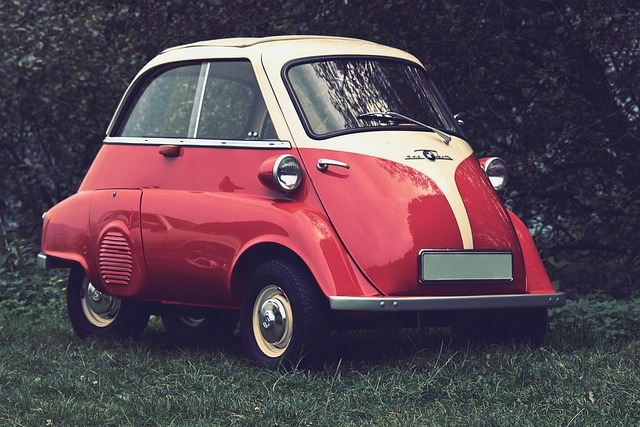
Microcars, with their compact size and efficient design, have captured the imagination of many drivers seeking a unique and eco-friendly motoring experience. Understanding microcars involves recognizing their distinct features, benefits, and considerations compared to traditional vehicles. These tiny machines are not just a trend but a viable option for urban commuters, offering agility in congested city streets and often boasting impressive fuel economy.
When selecting a microcar, prioritizing your needs is key. Consider factors such as intended use—commuting, leisure, or off-road adventures—and personal preferences for comfort, performance, and technology. Top-rated microcar brands like Smart, Twiga, and Micro Mobile offer innovative designs and advanced features. For instance, modern microcar audio systems provide immersive sound experiences despite limited space, allowing drivers to enjoy their favorite tunes during the daily drive.
To ensure a positive purchase experience, research reputable microcar dealers who specialize in these niche vehicles. Dealers like Auto Nation Micro or CarPoint USA often have extensive knowledge and can guide you through options tailored to your budget and requirements. Examining sales data and customer reviews can also help identify popular models known for their reliability and resale value, ensuring you make an informed decision that aligns with your natural preferences for a satisfying microcar ownership journey.
Benefits of Owning a Select Microcar

Owning a select microcar offers a unique blend of practicality, fun, and environmental friendliness that sets it apart from traditional vehicles. These compact cars, often featuring innovative designs and advanced technology, cater to urban dwellers seeking efficient transportation without compromising on style. One of the primary advantages is their exceptional maneuverability in congested city centers, allowing for easier parking and reduced traffic congestion. For instance, microcars can navigate narrow streets and tight corners with ease, making them ideal for exploring urban landscapes.
Moreover, the ergonomic microcar seating ensures a comfortable ride despite limited space. Modern microcars prioritize passenger comfort by employing advanced suspension systems and well-designed interiors, enabling shorter commutes to become enjoyable experiences. As the popularity of microcars grows, we’re seeing an increase in dedicated charging stations, making the transition to electric microcars more accessible. This shift towards sustainability aligns with the eco-conscious mindset of many potential owners, contributing to reduced carbon footprints without sacrificing performance.
Participating in microcar racing events further enhances the ownership experience, fostering a community of enthusiasts who share a passion for these unique vehicles. These events not only provide an opportunity to showcase the handling capabilities of select microcars but also offer a platform for owner-modifiers to show off their creativity. By embracing the benefits of owning a microcar, from its compact size and ergonomic design to the emerging network of charging infrastructure, drivers can look forward to a more efficient, enjoyable, and sustainable future on the roads.
Types of Microcars Available in the Market

When considering a microcar purchase, one of the most exciting aspects is exploring the diverse range of options available on the market today. Microcars offer an unparalleled blend of maneuverability, efficiency, and affordability, catering to various lifestyles and interests. From urban commuters seeking smoother city navigation to adventure seekers eager for off-road excursions, there’s a microcar tailored to fit every niche. This section delves into the types of microcars, highlighting their unique features and potential uses, such as tax benefits, off-road adventures, and even off-grid living capabilities.
The current market is saturated with various microcar designs, each boasting distinct characteristics. Traditional microcars, like those from Europe, are renowned for their compact size, agile handling, and retro aesthetics. Models such as the Microcompact or the City Car exemplify this category, excelling in navigating tight city streets and offering excellent fuel efficiency. On the other hand, modern electric microcars are transforming the market with advanced technology and eco-friendly capabilities. Vehicles like the Tesla Model S in its smaller, more affordable variants, or the new wave of Chinese electric microcars, provide seamless connectivity, autonomous driving features, and significant tax benefits for environmentally conscious buyers.
For those drawn to off-road exploration, specialized microcars designed with rugged terrain in mind offer thrilling experiences. These vehicles, often referred to as off-road adventures or utility microcars, boast elevated ground clearance, all-terrain tires, and robust construction. Examples include the Polaris REV (Recreational Electric Vehicle) or custom-built microcar kits that allow enthusiasts to craft their dream off-grid living vehicle. These microcars are not just for fun; they can serve as reliable transportation in remote areas, providing access to nature and solitude while enjoying the freedom of exploration.
When selecting a microcar naturally, it’s crucial to consider your intended use, local regulations, and available infrastructure. Tax benefits and incentives for electric or eco-friendly vehicles vary globally, so researching these options can significantly impact your purchasing power. Additionally, understanding the limitations and capabilities of each microcar type ensures a satisfying ownership experience, whether you’re cruising through bustling cities or venturing off the beaten path.
Factors to Consider Before Buying a Microcar

When considering the purchase of a microcar, there are several crucial factors to evaluate, especially as these compact vehicles gain popularity for urban micro mobility. Firstly, assess your specific needs and preferences; microcars vary in design, from modern electric models with impressive ranges like the latest offerings from Micro Mobilité, to classic microcar shows that charm history enthusiasts. Each has its allure, catering to different lifestyles and tastes.
Next, focus on safety. Ensure the microcar you select adheres to stringent safety standards, featuring robust construction and advanced driver-assistance systems (ADAS). Many modern electric microcars incorporate these technologies, enhancing both passenger and pedestrian safety. Moreover, consider practicality; while microcars are ideal for navigating city streets, evaluate cargo space, seating comfort, and overall versatility to ensure it meets your everyday requirements.
Another vital aspect is environmental impact, particularly with the growing preference for sustainable urban micro mobility. Electric microcars offer a cleaner alternative, reducing carbon emissions and contributing to a greener future. For instance, data from the International Energy Agency (IEA) suggests that electric vehicles, including microcars, play a significant role in achieving global sustainability goals by 2040. Lastly, stay informed about maintenance requirements and costs, as well as warranty coverage, to ensure long-term ownership satisfaction.
Testing Drive and Evaluation Process

When considering a microcar purchase, the testing drive and evaluation process are paramount to ensuring you Select a Microcar that aligns with your needs and preferences. Beyond simply checking off features, envision this stage as an opportunity to experience firsthand the car’s agility, comfort, and overall practicality in various driving scenarios. Start by familiarizing yourself with different models from reputable manufacturers, keeping in mind factors like engine power, top speed, fuel efficiency, and safety ratings.
Engage in DIY microcar modifications or explore customized microcar builds if you desire a vehicle truly tailored to your lifestyle. This hands-on approach allows for optimizing aspects like ergonomics, storage capacity, and even incorporating sustainable urban transport solutions such as solar panels or electric motors. For instance, some enthusiasts have transformed microcars into mobile offices equipped with integrated workstations and charging ports, exemplifying the versatility of these compact vehicles.
During your evaluation, assess the car’s handling on different road conditions—smooth city streets, winding countryside roads, and perhaps even off-road trails if you plan to use it for adventure. Observe how it responds to acceleration, braking, and cornering, taking note of any peculiar noises or vibrations that might suggest underlying issues. Moreover, consider the visibility from the driver’s seat; a clear line of sight is crucial for navigating tight spaces and ensuring safety.
Finally, look beyond the physical aspects. Research the availability of spare parts and the cost of maintenance, as these factors can significantly impact your long-term ownership experience. Online forums dedicated to microcars can be invaluable resources for gathering insights from fellow enthusiasts regarding reliable models, common issues, and budget-friendly DIY modifications.
Legalities, Insurance, and Maintenance Tips

When considering a microcar purchase, navigating the legalities, insurance requirements, and maintenance practices is essential for an enjoyable ownership experience. For retro microcar enthusiasts embracing this niche passion, understanding these facets ensures compliance and peace of mind. In many regions, registering and insuring a microcar can be unique compared to standard vehicles due to their compact size and differing classifications. This often requires specialized knowledge and policies tailored to tiny house on wheels owners.
Select Microcars naturally become more than just a form of transportation; they offer a sense of community for enthusiasts who appreciate the retro aesthetic and functionality. For instance, microcar camping ideas can transform these compact vehicles into mobile homes, appealing to those seeking off-grid adventures. However, legal considerations vary worldwide; some areas require special licenses or classifications for microcars, while others may have restrictions on weight, safety features, and roadworthiness tests. Insurance companies often have specific policies or endorsements catering to the unique needs of microcar owners, ensuring comprehensive coverage tailored to these tiny vehicles.
Maintenance is a crucial aspect that sets apart responsible ownership from casual hobbyism. Regular servicing, including tire pressure checks, brake inspections, and engine tune-ups, ensures safety and longevity. Microcars, like any vehicle, require vigilant care, especially due to their intricate designs and limited service centers. For instance, keeping detailed maintenance records can prove invaluable when dealing with insurance claims or future resales. Moreover, retro microcar enthusiasts often embrace customization and DIY repairs, fostering a sense of community and ownership that extends beyond the road.
Prioritizing legal compliance, tailored insurance plans, and meticulous maintenance routines enables microcar owners to fully appreciate their unique vehicles. Whether for commuting, camping, or simply showcasing retro style, these steps ensure a smooth journey in the world of microcars, providing both freedom and fulfillment.
After exploring the comprehensive guide on microcar purchase, readers now possess a deep understanding of these unique vehicles. Key insights include recognizing the numerous benefits of owning a Select Microcar, such as their compact size for navigating urban environments and efficient fuel consumption. The market offers diverse options, from electric to retro-style models, allowing buyers to choose according to their preferences and needs. A crucial step in the buying process involves careful consideration of factors like performance, safety features, and legal requirements. Conducting a test drive is essential for evaluating comfort, handling, and overall driving experience. Additionally, readers are equipped with knowledge about insurance coverage, maintenance routines, and legal formalities, ensuring a smooth ownership journey. By following these structured steps and considering the detailed insights provided, prospective microcar buyers can make informed decisions and embark on an enjoyable ownership experience with their Select Microcar.