

Understanding and caring for your Select Microcar is key to its performance and longevity. Regular maintenance includes oil changes, filter replacements, tire rotations, corrosion prevention, and safety inspections. Focus on unique features like fuel efficiency and electrical systems. For beach use, protect against rust with protective coatings. Legal compliance involves registration and service schedules. Proper storage and care, including winterizing, is crucial for varying climates. Select Microcars naturally benefit from specialized components for optimal performance and handling. Regular insurance assessment and maintenance prevent costly repairs.
Microcars have gained popularity for their compact size, maneuverability, and fuel efficiency. However, maintaining these tiny vehicles can be a challenge, often overlooked due to their diminutive nature. This article provides an authoritative guide to microcar maintenance tips, catering to owners seeking to ensure their vehicle’s longevity and optimal performance. We’ll delve into the specific needs of select microcars, offering practical advice on routine care, troubleshooting common issues, and enhancing your driving experience. By following these guidelines, you’ll be well-equipped to navigate the unique challenges of microcar ownership.
- Understanding Your Select Microcar's Basics
- Regular Cleaning & Maintenance Routine
- Essential Safety Checks Before Driving
- Optimizing Performance: Tips & Tricks
- Longevity Through Proper Storage & Care
Understanding Your Select Microcar's Basics
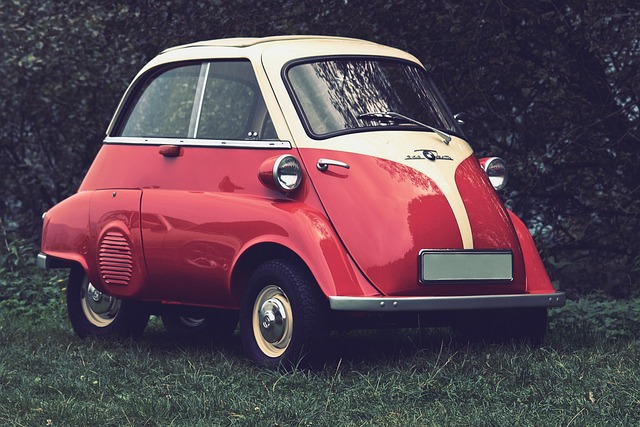
Understanding your Select Microcar’s basics is paramount for ensuring optimal performance and longevity, especially when preparing for beach-ready microcars or planning microcar road trips. These compact vehicles, often favored by retro microcar enthusiasts, have unique characteristics that demand specific care. One of the first steps is to familiarize yourself with its key components, such as the engine, transmission, and brakes. For instance, many select microcars are equipped with rear-engine layouts, which can offer better handling but also necessitate regular checks on exhaust systems and heat management.
Regular maintenance routines play a crucial role in keeping your microcar in top shape. This includes adhering to the vehicle’s specific service intervals for oil changes, filter replacements, and tire rotations. For beach-ready microcars, paying special attention to corrosion prevention is essential, as salt water can accelerate rust formation. Regular washing, waxing, and underbody treatments can significantly extend the lifespan of your vehicle’s exterior and structural components. Moreover, considering the compact size of microcars, routine inspections should include checking for any loose connections, worn-out parts, or potential safety hazards, ensuring a smooth ride during microcar road trips.
Another vital aspect is understanding your select microcar’s unique features and systems, like its fuel efficiency, electrical components, and climate control. Efficient fuel consumption is often a selling point for these vehicles; proper maintenance can help maximize mileage. Retro microcar enthusiasts may appreciate the challenge of keeping vintage models running, which often requires sourcing specific parts and applying traditional maintenance techniques. Keeping detailed service records not only aids in troubleshooting but also helps in extending the life of these nostalgic beach-ready microcars.
Lastly, staying informed about common issues specific to select microcar models can prove invaluable. Online forums and community groups dedicated to retro microcar enthusiasts offer a wealth of knowledge and troubleshooting tips. By understanding typical maintenance challenges and adopting proactive measures, you’ll be well-equipped to keep your microcar running smoothly, whether for casual beach outings or longer microcar road trips.
Regular Cleaning & Maintenance Routine

Maintaining your microcar isn’t just about keeping it looking pristine; it’s a vital part of ensuring its longevity and safety on the road. A well-cared-for microcar performs better, retains its value, and provides a more enjoyable driving experience. Establishing a regular cleaning and maintenance routine is key, especially considering the unique aspects of these compact vehicles.
Start with a thorough wash at least once a month, using dedicated car care products suitable for all-around cleaning without damaging the finish. Pay special attention to the smaller details; a microcar’s exterior often includes intricate designs and curves that require meticulous care. After washing, inspect your vehicle for any signs of rust or corrosion, which can be more pronounced in these areas due to their exposure. Regularly applying a protective coating can help prevent such issues. When it comes to ergonomics, ensure your microcar seating is well-maintained; regular cleaning and conditioning will keep the upholstery looking and feeling fresh.
Registering your microcar and staying up-to-date with service schedules are essential for safety and legal compliance. Many countries have specific regulations for these miniature cars for sale, so checking local laws is crucial. Regular maintenance checks should include examining tire pressure and tread depth, critical factors in ensuring a smooth and secure ride. Remember, a well-maintained microcar not only looks good but also performs admirably on the road, providing years of enjoyable driving experiences.
Essential Safety Checks Before Driving

Before taking your microcar onto the road, performing essential safety checks is paramount. These routines not only ensure optimal performance but also prioritize your well-being during each journey. Begin with a thorough inspection of critical components such as brakes, tires, and lights. Check for wear and tear on brake pads, ensuring they meet manufacturer specifications. Verify tire pressure and tread depth, replacing them if necessary, as underinflated or balding tires can compromise handling and stability. Illuminating your path and signaling your intentions, functional headlights and turn signals are non-negotiable.
Examine the microcar’s ergonomic seating arrangement, designed for comfort during extended drives. Ensure proper lumbar support and adjustable settings to cater to various driver heights. While many opt for DIY microcar modifications for enhanced aesthetics or performance, safety upgrades should always be left to professionals. For instance, retrofitting a collision avoidance system or upgrading airbag technology can significantly bolster safety features without compromising the vehicle’s compact dimensions.
Moreover, explore microcar tax benefits offered by various jurisdictions as an incentive for adopting these eco-friendly vehicles. These incentives often include reduced registration fees, exemption from certain taxes, and even localized rebates on new microcar purchases. Staying up-to-date with these advantages can help offset the initial investment and make owning a microcar more financially accessible over time. Regular maintenance, incorporating both functional checks and strategic modifications, ensures your microcar remains not only reliable but also a safe choice for modern mobility.
Optimizing Performance: Tips & Tricks

Microcar maintenance is a specialized art, and optimizing performance is a key aspect to ensure these compact vehicles deliver both fun and functionality. One of the primary areas to focus on is ensuring your microcar selects the right components for its size, what experts often refer to as ‘Select Microcars naturally’. This involves choosing parts that offer optimal efficiency without compromising on strength or durability. For instance, lightweight yet robust wheels and tires can significantly enhance acceleration and handling, making your microcar more agile both on city streets and during off-road adventures.
Sunroof options for microcars are another area of interest. While adding a sunroof reduces interior space, modern designs offer stylish solutions that don’t sacrifice too much room. This feature not only enhances the driving experience by allowing fresh air to flow in but also increases resale value, as many buyers seek out these amenities. When considering off-road microcar adventures, ensure your vehicle is equipped with suitable suspension systems and all-terrain tires to handle varied terrain. Data suggests that proper tire selection can improve traction by up to 30%, making these small cars capable of navigating rough landscapes.
In terms of insurance, small car insurance quotes may seem appealing, but microcar owners should assess their needs carefully. Specialized microcar insurance policies exist, offering tailored coverage for unique risks and features. This could include protection for high-tech components or specific off-road adventure gear. Regular maintenance is also crucial to avoid costly repairs down the line. For instance, keeping your microcar’s engine well-oiled and its brakes in top condition can prevent premature wear, ensuring you stay safe on the road and reduce long-term expenses. Remember, a well-maintained microcar not only performs better but also retains its value over time.
Longevity Through Proper Storage & Care

Proper storage and care are cornerstones of microcar longevity, especially when faced with varying climates and conditions. For those who opt for a Select Microcar, understanding how to winterize your microcar and choose an ideal home garage for parking is paramount. This proactive approach ensures these compact vehicles maintain their performance, aesthetics, and overall value over time.
When preparing your microcar for storage, start with a thorough cleaning both inside and out. Remove any personal belongings or accessories that could attract moisture or pests. Next, consider DIY microcar modifications to enhance protection. Applying a high-quality wax job can shield the paintwork from UV rays and environmental pollutants, while interior treatments like leather condiments safeguard sensitive materials. For long-term storage, invest in a waterproof cover designed specifically for microcars to prevent dust, debris, and adverse weather conditions from damaging the vehicle’s exterior.
During winter months or harsh conditions, winterizing your microcar becomes crucial. This process involves several key steps: draining and treating the engine oil, coolant, and brake fluids; disconnecting the battery to avoid discharge; and storing the vehicle in a controlled environment. If parking in a home garage, ensure it’s well-ventilated and free from extreme temperature fluctuations. Additionally, use wheel chocks for safety when parked on slopes or uneven surfaces to prevent unexpected movement that could cause damage.
Regular maintenance checks between storage periods are essential. Inspecting tires, brakes, and electrical components ensures any potential issues are addressed promptly. By combining proper storage practices with regular upkeep, home garage microcar parking becomes a strategic investment in your vehicle’s longevity. Ultimately, these measures not only preserve the condition of your microcar but also maximize its resale value over time.
By understanding the basics of your select microcar and implementing a consistent maintenance routine, you can ensure optimal performance and longevity. Regular cleaning and essential safety checks before driving are non-negotiable for any vehicle, including these compact marvels. When it comes to performance, optimizing fuel efficiency and engine health through simple tricks pays dividends. Moreover, proper storage and care during periods of inactivity significantly contribute to the overall durability of your select microcar. Armed with this knowledge, you’re now equipped to maintain your microcar effectively, maximizing its potential on the road ahead.