

Microcars offer eco-friendly, affordable urban transportation with exceptional fuel efficiency and maneuverability. Options range from retro models like Smart Fortwo to all-terrain vehicles like Polaris Slingshot. Select Microcars naturally provide cost savings, starting at around $10,000 USD or less, with lower maintenance and fuel costs. They are ideal for navigating city traffic and reducing carbon emissions, with some electric models traveling up to 100 miles on a single charge. Global demand is driven by urban growth and environmental concerns, with governments offering incentives for low-emission vehicles. As urban populations rise, microcars are expected to become an increasingly viable and sought-after transport solution.
In today’s world, where urban mobility is a paramount concern, affordable microcars have emerged as a practical and sustainable solution for navigating congested cities. Select microcars offer an eco-friendly alternative to traditional vehicles, catering to environmentally conscious consumers seeking efficient transportation options. However, the challenge lies in finding accessible, cost-effective models without compromising quality and safety. This article delves into the diverse range of affordable microcar choices available globally, providing insights for prospective buyers to make informed decisions. By exploring these options, we aim to empower individuals to select the perfect microcar that suits their needs and contributes to a greener future.
- Understanding Microcars: A Compact Car Revolution
- Exploring Affordable Options: Budget-Friendly Choices
- Select Microcars for Urban Mobility: Navigating Cities
- Unlocking Advantages: Efficiency and Sustainability
Understanding Microcars: A Compact Car Revolution
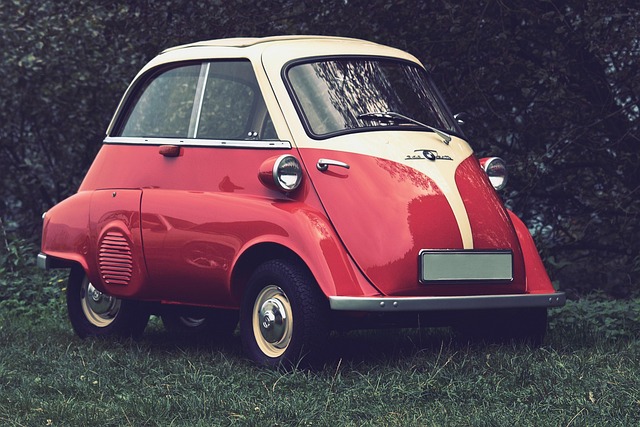
Microcars have emerged as a compact car revolution, offering an affordable and eco-friendly alternative to traditional vehicles. These tiny machines pack a punch in terms of maneuverability and fuel efficiency, making them ideal for navigating urban environments or exploring off-the-beaten-path routes. When considering a microcar, it’s essential to understand that not all models are created equal. Select Microcars naturally by delving into their diverse categories, from electric and gas-powered options to those designed for all-terrain adventures.
For retro microcar enthusiasts, classic models like the Smart Fortwo or the Daihatsu Copen offer a nostalgic drive through time. These vehicles not only provide a unique aesthetic appeal but also boast improved safety features and modern amenities compared to their earlier counterparts. Classic microcar shows are becoming increasingly popular, showcasing the evolution of these compact cars while fostering a sense of community among owners and aficionados. When reviewing all-terrain microcars, factors like ground clearance, traction systems, and off-road capabilities become paramount. Models like the Polaris Slingshot or the Can-Am Off-Road vehicle promise exhilarating adventures beyond paved roads.
Selecting a microcar should be an informed decision, balancing personal preferences with practical needs. Consider your primary use case—commuting in urban settings, exploring rural landscapes, or simply enjoying a fun and efficient ride. Microcars aren’t just about compact dimensions; they represent a lifestyle choice that promotes sustainability and agility. As the market continues to evolve, with more manufacturers jumping on the microcar bandwagon, prospective buyers have never had it better. Whether you’re drawn to retro styles or cutting-edge technology, there’s a microcar out there to suit your needs and elevate your driving experience.
Exploring Affordable Options: Budget-Friendly Choices

In today’s market, those seeking an affordable, eco-friendly mode of transportation have a growing array of options in the form of microcars. These compact vehicles offer both accessibility and fuel efficiency, making them increasingly popular for urban dwellers and those looking to reduce their carbon footprint. When navigating the budget-friendly microcar landscape, several key factors come into play.
Firstly, consider the legal requirements for microcars, which vary by region. In many places, these tiny vehicles have specific size, weight, and engine restrictions. For instance, the EU defines microcars as having a maximum speed of 45 km/h (28 mph) and an engine displacement of 500-1500 cc. Understanding these regulations is essential to ensure compliance and avoid legal complications, especially when parking in restricted areas or navigating winter conditions, where larger vehicles might struggle.
Select Microcars naturally offer a range of benefits tailored to cost-conscious buyers. They are generally cheaper to purchase than conventional cars, often starting at around $10,000 USD or less, making them an attractive option for those on a tight budget. Lower maintenance costs and fuel efficiency further enhance their appeal, particularly in urban environments where parking spaces are small and expensive. For instance, microcars can easily navigate narrow city streets and fit into compact parking spots, eliminating the need for larger vehicles that might strain parking budgets.
Moreover, winterizing your microcar doesn’t have to be a daunting task or break the bank. Similar to larger vehicles, proper preparation is key. This includes using winter tires for better traction on icy surfaces and ensuring adequate insulation to maintain comfortable cabin temperatures. Many affordable options come with basic heating systems that can be boosted with strategic placement of electric blankets or portable heaters. Regular maintenance checks specific to microcars, such as examining the unique suspension systems and handling components, will also contribute to a longer-lasting, more reliable vehicle.
Select Microcars for Urban Mobility: Navigating Cities

Navigating urban mobility has become a unique challenge for modern cities, prompting a shift towards more compact and efficient transportation solutions. Microcars offer an intriguing option for those seeking sustainable and cost-effective ways to traverse densely populated areas. When considering select microcars for urban environments, several factors come into play, including performance, technology, and environmental impact. Electric microcars, in particular, have gained traction due to their zero-emission nature and expanding range. For instance, the average electric microcar can now travel up to 100 miles on a single charge, making them viable for daily commutes and urban exploration.
Among the various types, solar-powered microcars represent an innovative step towards complete sustainability. These vehicles utilise solar panels integrated into their design, harnessing renewable energy to supplement their electric motors. This not only extends driving range but also reduces overall environmental impact, as data suggests that solar-powered electric cars can reduce carbon emissions by up to 40% compared to conventional counterparts. However, early adopters should note that the initial cost of these vehicles might be higher, despite potential long-term savings on fuel and maintenance.
Tax benefits further enhance the appeal of microcars. Many governments offer incentives for purchasing low-emission or electric vehicles, including microcars. These can include reduced registration fees, sales tax exemptions, or even cash rebates. For instance, in some regions, buyers of solar-powered microcars may be eligible for substantial grants, making them more accessible and affordable. When selecting a microcar, it’s crucial to research and leverage these benefits, ensuring long-term savings alongside contributing to sustainable urban transportation.
Unlocking Advantages: Efficiency and Sustainability

The embrace of microcars is rising globally, driven by a confluence of factors including soaring urban populations and a growing awareness of environmental sustainability. In this context, urban micro mobility has become a viable alternative to traditional compact urban vehicles, offering both economical and eco-friendly benefits. Select Microcars naturally stand out as a prominent option for those seeking efficient, sustainable transportation without breaking the bank.
Microcars are renowned for their exceptional fuel efficiency, often achieving remarkable mileage per gallon figures that far surpass those of larger vehicles. For instance, many models can navigate city streets with an average fuel consumption as low as 3 liters per 100 kilometers, significantly reducing operational costs. Moreover, these small vehicles generate lower carbon emissions, contributing to cleaner air and a reduced environmental footprint. When considering the best microcars under $10k, models like the Fiat 500, Smart Fortwo, and Chery QQ are not only affordable but also leading examples of efficient urban mobility.
One of the key advantages of microcars is their suitability for urban environments. Their compact size allows them to maneuver through congested city streets with ease, making them an ideal choice for navigating through heavy traffic and finding parking in densely populated areas. This efficiency translates into significant time savings for urban commuters, enabling them to spend less time stuck in traffic and more time on their primary activities. As cities continue to grow, the demand for compact urban vehicles is set to increase, further underscoring the advantages of embracing microcars as a sustainable transport solution.
In conclusion, this article has provided a comprehensive overview of affordable microcar options, highlighting key insights across four primary sections. By understanding the essence of microcars as a compact car revolution, exploring budget-friendly choices, navigating urban mobility with select microcars, and unlocking their advantages in efficiency and sustainability, readers now possess a strategic framework. The clear takeaways emphasize the practical value of microcars for urban environments, their cost-effectiveness, and positive environmental impact. Moving forward, individuals interested in sustainable urban transportation should consider these insights when selecting microcars that best fit their needs, contributing to both personal mobility and a greener future.