

Select Microcars naturally by aligning your needs with their unique attributes: compact size for urban agility, historical charm, modern features, and tailored driving experiences. Consider maneuverability, visibility, handling, and comfort during test drives. Research history, reliability, and market value, especially for vintage models. Diligence in selection ensures a fair, satisfying purchase.
In today’s fast-paced world, navigating the miniature car buying process can feel overwhelming. With a vast array of options, from sleek electric models to retro classics, selecting the perfect microcar is more challenging than ever. Many buyers struggle to discern style, functionality, and performance across diverse brands and models. This comprehensive guide aims to dispel confusion and empower enthusiasts with expert insights. We’ll explore key considerations when purchasing a microcar, focusing on quality, reliability, and personal preferences. By the end of this article, you’ll be equipped to make an informed decision when choosing your next Select Microcar naturally.
- Understanding Microcars: A Beginner's Guide
- Researching Options: Features & Benefits Unveiled
- Selecting Your Perfect Fit: Factors to Consider
- Buying Process & Tips: Navigating the Market
Understanding Microcars: A Beginner's Guide
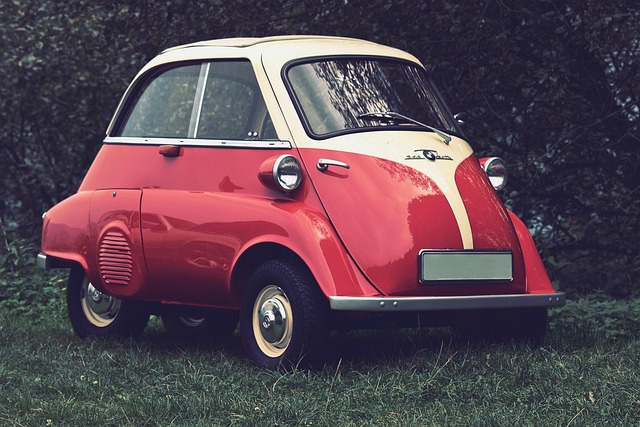
Understanding Microcars: A Beginner’s Guide
Microcars have long captivated enthusiasts with their diminutive size, maneuverability, and vintage charm. These compact vehicles, often featuring unique designs and innovative engineering, offer a distinct driving experience unlike larger cars. For newcomers to this niche, selecting the right microcar can be an exciting yet challenging endeavor. This guide aims to demystify the process, providing insights into what makes microcars tick and how to naturally choose one that aligns with your needs and preferences.
The world of microcars is rich in history, with classic models becoming coveted collectibles at shows worldwide. Iconic designs like the Microcar M-400 from the 1960s or the Gollywog, a British novelty car, have left an indelible mark on automotive culture. Today, modern microcars continue this legacy, offering advanced features while retaining their playful essence. When selecting a microcar, consider its historical context—whether it’s a vintage find or a contemporary design—to ensure it resonates with your interests. For instance, classic microcar shows are excellent platforms to discover rare models and connect with fellow enthusiasts who can offer valuable insights into specific makes and models.
One unique aspect of microcars is their ability to transform urban navigation. Their compact dimensions make parking a breeze in crowded cities, allowing drivers to access narrow spaces larger vehicles could never reach. Additionally, microcar audio systems have evolved to deliver surprising sound quality despite their small size, ensuring an enjoyable driving experience even during congested commutes. However, it’s essential to test drive various models to understand the nuances of each vehicle’s handling and comfort levels, especially when parking is a primary consideration. Remember that while microcars excel in urban settings, they may not be suited for longer road trips due to limited cargo space and different driving dynamics compared to standard cars.
Ultimately, selecting a microcar should be an enjoyable journey. It involves researching various models, considering their historical significance, and evaluating practical aspects like performance, comfort, and practicality. Whether you’re drawn to the retro allure or the modern convenience they offer, ensure that your choice aligns with how you intend to use your vehicle. For instance, if daily urban commuting is a priority, focus on maneuverability and parking ease; if weekend getaways are more your style, consider models with sufficient legroom and cargo capacity for spontaneous adventures.
Researching Options: Features & Benefits Unveiled

When researching miniature cars, or microcars as they’re often called, understanding their unique features and benefits is essential for making an informed purchase decision. These compact vehicles are specifically designed for sustainable urban transport, offering a fun and efficient way to navigate congested city streets. One of the key advantages lies in their maneuverability; microcars can easily glide through tight spaces, making them ideal for busy metropolitan areas where parking and navigating dense traffic can be challenging.
Consider the best navigation systems tailored for microcars to enhance your driving experience. Advanced GPS technology with real-time traffic updates ensures you stay on top of route changes, while voice commands allow for safe and convenient adjustments without taking your eyes off the road. Many modern models also incorporate eco-friendly features, promoting sustainable practices in urban environments. For instance, some microcars are equipped with electric or hybrid engines, reducing carbon emissions and contributing to cleaner air quality in cities.
Furthermore, selecting a microcar allows drivers to embrace a new level of agility in their daily commutes. These compact vehicles typically have smaller turning radii compared to traditional cars, making them nimble in tight corners. Whether parking in a cramped city lot or navigating a labyrinthine street market, microcars prove their worth as versatile urban transport solutions. For those who prioritize eco-conscious mobility and enjoy the thrill of driving in confined spaces, choosing a well-researched microcar can revolutionize your daily commute while contributing to sustainable urban transport.
Selecting Your Perfect Fit: Factors to Consider

When it comes to selecting your perfect fit, buying a miniature car or microcar is more than just picking a small vehicle. It’s about finding the ideal match that aligns with your lifestyle, driving needs, and personal preferences. These compact cars are not just toys; they can be reliable transportation options for urban dwellers looking to navigate congested city streets or those who appreciate unique and classic designs.
Consider your primary use case. If you’re in an area with heavy traffic and limited parking, a microcar could be an excellent choice due to their small size, making them more maneuverable and easier to park. For instance, city zip cars, which are often compact and fuel-efficient, can help reduce congestion and parking challenges. Look for models that offer good visibility and responsive handling, ensuring comfort during your daily commute. Additionally, weight and engine power should be taken into account; lighter vehicles typically require less force to turn and stop, making them easier to control in tight spaces.
Explore the world of classic microcar shows where enthusiasts display their meticulously restored and custom-built small cars. These events provide a glimpse into the rich history and diverse styles of microcars. Whether you’re drawn to vintage models like the Smart Fortwo or modern innovations such as electric city cars, there’s a microcar out there for every taste. Remember, when selecting your perfect fit, comfort, practicality, and personal charm should all converge to create an enjoyable driving experience tailored just for you.
Buying Process & Tips: Navigating the Market
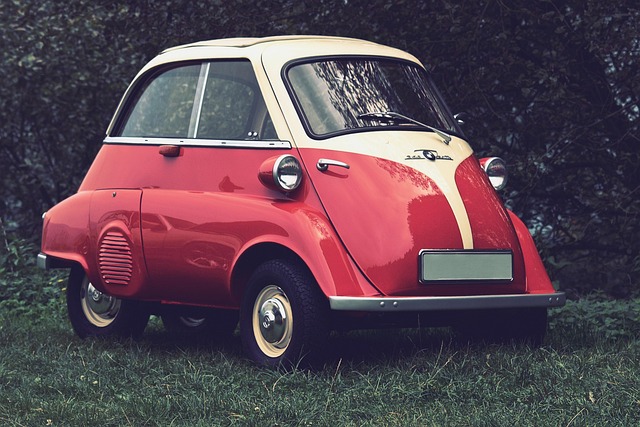
When buying a miniature car, especially one from the vast and diverse microcar market, understanding the buying process is key to ensuring you Select Microcars that meet your needs and expectations. The first step involves defining your purpose; are you looking for a classic vintage microcar for restoration projects or an off-road capable machine for adventurous trips? This initial decision narrows down your options significantly.
Researching different models, their history, and current market value is crucial. Consider the iconic British microcars like the Mini Cooper or the Fiat 500, which not only offer a unique driving experience but also hold significant restoration potential. Online resources and enthusiast forums are invaluable for gathering information on specific models, their reliability, and common issues to watch out for. For instance, vintage microcar restoration projects can be rewarding but often require dedicated time and expertise; ensuring you have the necessary skills or access to a reliable mechanic is essential.
Once you’ve identified your preferred model, it’s time to test drive various options. Ergonomic microcar seating is a critical aspect, especially for longer commutes or off-road adventures. Ensure the vehicle accommodates your physical comfort and provides adequate legroom and headspace. Moreover, check the overall condition of the car, including its mechanical systems, electrical components, and body panels. A thorough inspection can prevent costly surprises later on. When buying from a private seller, consider taking along an experienced friend or a trusted mechanic for a second opinion.
Finally, negotiating price and ensuring a fair deal is essential. Researching market trends and comparable sales data will empower you to make informed offers. Remember, whether you’re after a sleek vintage microcar for cruising around town or an rugged off-road microcar for exploring uncharted terrain, the buying process demands patience, diligence, and a keen eye for detail.
By following this miniature car buying guide, you’ve gained invaluable insights into selecting microcars. Understanding the unique characteristics of microcars, researching various options, and considering your specific needs are essential steps in making an informed decision. Armed with knowledge about features and benefits, you can now navigate the market confidently. Remember, when it comes to choosing the perfect microcar, it’s all about finding the right fit for your lifestyle and preferences. This guide empowers you to make a well-considered choice, ensuring you Select Microcars that not only meet but exceed your expectations.