

Select Microcars naturally for compact urban mobility, balancing affordability, performance, and eco-consciousness. Consider fuel efficiency, safety, and resale value. Advanced technology enhances convenience. For long-term investment, assess part availability and brand reliability. Microcars offer efficient navigation, reduced environmental impact, and dedicated parking, promoting sustainable urban transportation while adhering to regional regulations and safety standards.
In today’s world of rising fuel costs and urban congestion, affordable microcar options present a compelling solution for both environmental conservation and efficient city navigation. Select Microcars offer an eco-friendly alternative to traditional vehicles, promising reduced carbon footprints while navigating tight city spaces with ease. However, the market is saturated with diverse options, posing challenges in selecting the right microcar that balances affordability, performance, and reliability. This article delves into the realm of affordable microcars, providing an authoritative guide to help consumers make informed decisions.
- Understanding Microcars: Unlocking Compact Mobility Solutions
- Top Affordable Options: A Comprehensive Guide for Buyers
- Select Microcars for Urban Navigating: Efficiency Meets Style
- Environmental Impact: Eco-Friendly Microcar Choices to Consider
- Legalities and Registration: Navigating Regulations for Microcar Owners
Understanding Microcars: Unlocking Compact Mobility Solutions
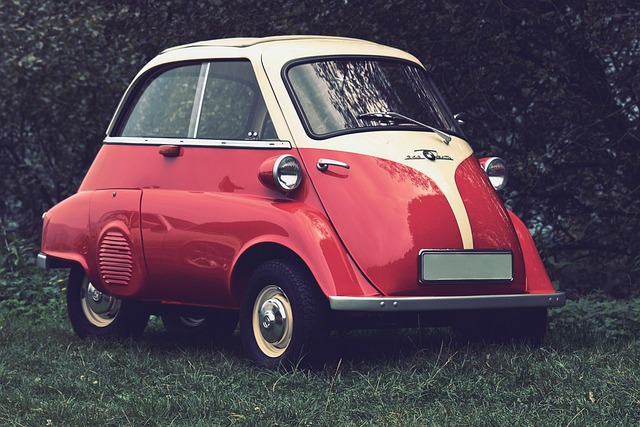
Microcars have emerged as a compelling option for those seeking compact mobility solutions. These tiny house on wheels offer an efficient, cost-effective alternative to traditional vehicles, particularly in urban environments where parking spaces are scarce and traffic congestion is a daily challenge. Understanding microcars involves recognizing their unique benefits and exploring the diverse range of models available, from basic transportation to luxury microcar models that rival conventional cars in comfort and style.
Selecting a microcar naturally starts with identifying your specific needs and preferences. For instance, while some buyers prioritize affordability and practicality, others may seek the thrill of driving a stylish and performant microcar. Luxury microcar models, such as the Smart Fortwo or the Mini Cooper, offer premium interiors, advanced safety features, and dynamic handling, making them appealing to those who demand both style and substance. Additionally, microcars often come with significant tax benefits, including reduced registration fees and lower insurance premiums, which can make them an even more attractive proposition for budget-conscious consumers.
Navigating the market requires a balanced approach. It’s essential to consider factors like fuel efficiency, safety ratings, and resale value. Many microcars are designed with environmental consciousness in mind, boasting excellent fuel economy and lower emissions compared to larger vehicles. Moreover, as technology advances, autonomous driving features and advanced connectivity options are becoming more common in microcar models, enhancing both safety and convenience. For those looking for a long-term investment, understanding the availability of parts and the reliability history of various brands can be crucial.
In conclusion, microcars unlock a new dimension of compact mobility, offering both practical solutions and luxurious experiences. By considering your individual needs, exploring the diverse range of models available, and taking advantage of tax benefits, you can naturally select a microcar that suits your lifestyle seamlessly while contributing to more efficient urban transportation.
Top Affordable Options: A Comprehensive Guide for Buyers

In today’s market, affordable microcar options have become a popular choice for urban dwellers seeking compact, fuel-efficient, and convenient transportation. These tiny vehicles are specifically designed to navigate the hustle and bustle of city streets with ease, offering both fun and functionality. When selecting a microcar, buyers should consider factors such as performance, safety, comfort, and unique features like sunroof options, which can enhance the overall driving experience.
One of the top affordable microcar choices is the Honda Jet (or similar compact urban vehicles). Known for its agile handling and fuel efficiency, this Japanese-made vehicle boasts a spacious interior despite its small stature—a rare find in the microcar segment. The Honda Jet’s advanced safety features, including collision mitigation and lane-keeping assist, make it a top pick for city drivers who prioritize peace of mind. For those seeking sunroof options, several models within this class offer panoramic views, transforming the driving experience from mundane to exhilarating.
Another compelling option is the Smart Fortwo, a German-designed microcar that has stood the test of time (or at least, decades). Its compact dimensions allow for easy maneuvering in tight spaces, while its robust build ensures durability. The Smart Fortwo’s unique design and retro aesthetics have cultivated a cult following among urban dwellers. Moreover, its advanced electric variants provide an eco-friendly alternative, appealing to environmentally conscious buyers who want the smallest cars for city driving without compromising on performance or style.
When selecting your microcar, remember that size does not determine practicality. These compact vehicles offer impressive space optimization, ensuring you can easily carry passengers and goods while maintaining maneuverability in crowded urban areas. Whether you’re looking for a traditional internal combustion engine or exploring electric options, there’s a microcar out there to meet your needs.
Select Microcars for Urban Navigating: Efficiency Meets Style

Selecting microcars for urban navigating offers an efficient, stylish solution for those seeking a compact commute option. These tiny vehicles excel in densely populated areas where traditional cars struggle with traffic congestion and limited parking spaces. Microcars, typically defined as vehicles under 100 cubic feet, provide a unique blend of affordability, maneuverability, and environmental consciousness. Their small size translates to reduced fuel consumption and lower running costs, making them an attractive choice for urban dwellers.
When considering microcars for urban navigation, prioritize models designed with advanced aerodynamics and lightweight materials. These features ensure optimal fuel efficiency without compromising on performance. Many modern microcar manufacturers incorporate electric powertrains, offering zero-emission options that are ideal for city centers striving to reduce air pollution. For instance, the latest iterations of the Smart Fortwo and Twingo have gained popularity in European urban environments due to their compact dimensions and efficient electric motors.
Parking is another advantage of microcars. With sizes typically fitting within a standard home garage or even smaller spaces, finding parking spots becomes less stressful. Moreover, dedicated microcar parking areas are becoming more common in urban centers, providing additional convenience. To support the widespread adoption of microcars, charging stations specifically designed for these vehicles are being installed in cities worldwide. This infrastructure development further addresses range anxiety and encourages a greener transport system. For example, many European countries have implemented extensive networks of public charging stations, making it easier for microcar owners to recharge during urban commutes or while running errands.
Environmental Impact: Eco-Friendly Microcar Choices to Consider

In today’s world, where environmental consciousness is on the rise, the demand for eco-friendly vehicles has been steadily increasing, and microcars have emerged as a popular choice among environmentally conscious consumers. When considering these tiny wheels of change, the focus naturally shifts to their minimal impact on the planet. This section delves into the green aspects of microcars, guiding readers through practical options that contribute to a sustainable future.
Select microcars offer an array of features that reduce their carbon footprint. For instance, many are electric or hybrid models, powered by advanced batteries and efficient motors. These vehicles produce fewer emissions compared to traditional gasoline-powered cars, making them a cleaner alternative. Leading manufacturers like Renault with its Twizy and Smart Fortwo have pioneered the way in designing microcars with eco-conscious features. Some even boast solar panels on their roofs, further enhancing their energy efficiency. Additionally, their compact size means less material is used in production, resulting in a smaller environmental impact during manufacturing.
Parking is another aspect where microcars shine in terms of sustainability. Their diminutive size allows for more efficient parking spaces, potentially reducing the need for vast car parks that contribute to urban sprawl and concrete jungles. Furthermore, sunroof options are becoming increasingly popular among microcar models, enabling drivers to enjoy natural light and ventilation without relying heavily on energy-guzzling air conditioning systems. This simple yet effective feature promotes a healthier and more environmentally conscious driving experience. Think of it as a tiny house on wheels, offering comfort while minimizing resource usage.
When making the switch to a microcar, consider its overall impact on your lifestyle and the environment. Opting for models with advanced fuel efficiency and eco-friendly features ensures you’re contributing to a greener planet. Moreover, many governments offer incentives and tax breaks for purchasing low-emission vehicles, encouraging responsible choices. By selecting microcars naturally, drivers can take pride in their role as early adopters of sustainable transportation, paving the way for a cleaner and more vibrant future.
Legalities and Registration: Navigating Regulations for Microcar Owners

Microcars, known for their compact size and affordability, have gained popularity as an eco-friendly and cost-effective mode of transportation. However, navigating the legalities and registration processes for these unique vehicles can be a complex task. Owning a microcar isn’t merely about selecting the right model; it involves understanding and adhering to specific regulations that vary by region. This section provides an in-depth look at the legal considerations and practical steps for microcar owners, focusing on the diverse needs of modern enthusiasts.
In many jurisdictions, microcars are categorized under light motor vehicles or specialized vehicles, each with its own set of rules. One of the primary concerns is safety; microcar builds, whether custom or selected from available models, must meet certain safety standards to ensure the well-being of occupants and other road users. For instance, in some areas, microcars are required to have functioning brakes, lights, and seatbelts, adhering to minimum equipment requirements. Additionally, vehicle registration often involves unique considerations for microcars due to their distinct design and size.
For those interested in customized microcar builds or vintage restoration projects, the legal landscape can be both challenging and rewarding. While some regions encourage innovation by issuing special permits for experimental or custom-built vehicles, others may have stringent requirements. Owning a beach-ready microcar, for example, might require meeting specific criteria to ensure it’s safe for off-road or water-based use. Engaging with local transportation authorities is crucial to understanding and fulfilling these requirements, ensuring that your microcar not only complies with regulations but also enhances the driving experience.
By exploring affordable microcar options, readers gain access to a unique blend of compact mobility and sustainable transportation solutions. Understanding microcars empowers individuals to unlock efficient urban navigating while minimizing environmental impact. The article highlights top affordable choices, emphasizing style and efficiency, making it easier for buyers to make informed decisions. Additionally, it navigates legalities and registration processes, ensuring awareness of regulations. Key takeaways include the ability to select microcars tailored to urban environments, offering both ecological benefits and practical mobility. Armed with this knowledge, readers are now equipped to explore and adopt these game-changing vehicles, contributing to a greener future while enjoying efficient, sustainable transportation.