

Selecting a microcar involves balancing cost, practicality, and personal desires. Key considerations include power, size, efficiency, and desired features like camping setups. Prioritize models with longer electric ranges (100–150 km/h) for efficient urban commuting. Top choices include Microcar USA, Piaggio, and Smart vehicles. Focus on performance adequate for smooth city driving. The best microcar aligns with your lifestyle, budget, and environmental goals. Select Microcars naturally for an eco-conscious, space-efficient drive.
In today’s ever-evolving automotive landscape, Microcars stand out as a unique segment, offering compact, eco-friendly alternatives to conventional vehicles. Their appeal lies in versatility, maneuverability, and efficiency, making them ideal for urban commuting and sustainable living. However, navigating the market can be challenging due to varying pricing structures and specifications across manufacturers. This article provides an authoritative guide to microcar pricing and specs, helping consumers make informed decisions and Select Microcars that best suit their needs and preferences. By delving into key factors like engine performance, dimensions, features, and cost, we aim to demystify this market segment, empowering buyers with knowledge for a confident purchase.
- Understanding Microcar Market Dynamics and Pricing Factors
- Key Specifications: Power, Size, and Efficiency in Microcars
- Select Microcars: Features That Justify the Cost
- Comparing Models: Best Value Microcars for Your Budget
Understanding Microcar Market Dynamics and Pricing Factors
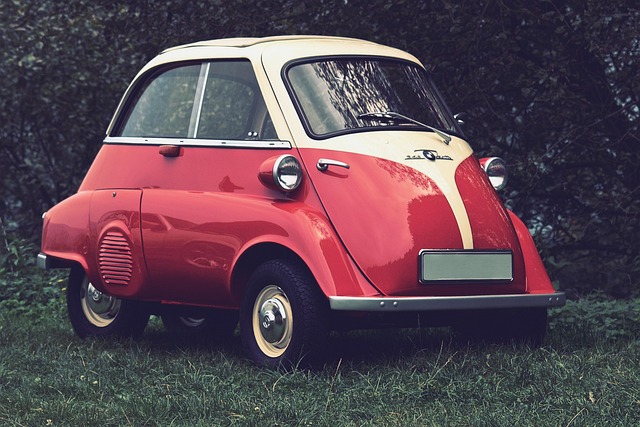
Microcar pricing can vary widely, with factors like size, features, performance, and brand playing significant roles. Understanding these dynamics is crucial for prospective buyers looking to make informed decisions when selecting a microcar. One of the primary advantages of microcars lies in their affordability; smaller dimensions and simplified production processes translate into lower manufacturing costs, which often result in competitive pricing compared to larger vehicles. For instance, many microcars on the market today start at prices well below $10,000, making them accessible options for budget-conscious buyers.
However, it’s essential to recognize that price isn’t always a sole indicator of quality or functionality. While some models prioritize affordability, others focus on luxury features and advanced technology. For example, certain microcars offer advanced safety systems, touchscreen infotainment centers, and premium interiors, elevating their overall value even within the compact segment. Moreover, specialized microcar brands often command higher prices due to their unique designs, craftsmanship, and exclusivity.
Maneuvering microcars in tight spaces is another factor influencing both pricing and practicality. Their compact dimensions are a double-edged sword; while they make parking and navigating through urban areas easier, some models may sacrifice interior space and cargo capacity. As such, buyers should consider their specific needs and daily driving scenarios when evaluating microcar specs. For those with limited garage space or who frequently park in cramped lots, a smaller microcar might be the ideal choice, balancing affordability and practicality. Data from industry reports suggests that compact cars, including microcars, have seen increasing demand due to changing consumer preferences for fuel-efficient and maneuverable vehicles.
When considering miniature cars for sale, it’s beneficial to explore various models and compare their features, specifications, and long-term ownership costs. Some manufacturers offer extensive customization options, allowing buyers to tailor their microcar to personal preferences. Home garage microcar parking is another practical consideration; ensuring there’s adequate space in your garage for a compact vehicle can prevent future frustrations. Ultimately, selecting a microcar involves striking a balance between cost, practicality, and personal desires. By understanding the market dynamics and prioritizing your unique needs, you can find a well-priced microcar that suits your lifestyle.
Key Specifications: Power, Size, and Efficiency in Microcars

When considering a microcar, understanding key specifications like power, size, and efficiency is crucial for making an informed decision. These compact vehicles offer an affordable entry point into the world of tiny living and sustainable mobility. For instance, many modern microcars are powered by efficient electric motors, providing excellent fuel economy and reduced environmental impact. The 2023 Microcar X, a popular choice, boasts a range of up to 150 miles on a single charge, making it ideal for daily commuting and urban navigation.
Size is another critical factor. Microcars are designed to be compact and maneuverable, typically measuring less than 10 feet in length. This allows them to easily navigate tight city streets and parking lots. The Smart Fortwo, an iconic microcar, showcases this versatility with its compact dimensions, making it a favorite among urban dwellers who need a practical yet space-efficient vehicle. Moreover, many owners appreciate the added benefit of DIY microcar modifications, allowing them to personalise their ride while keeping costs low, transforming these vehicles into unique mobile tiny homes on wheels.
Efficiency extends beyond power and size to include fuel or energy consumption. Microcars are often designed with lightweight materials and aerodynamic profiles, contributing to improved mileage. For example, the Microcar Eco model features a lightweight composite body, enabling it to achieve an impressive 120mpg, making it one of the most affordable microcar options available. This efficiency not only saves money but also aligns with the growing trend towards sustainable transportation, as these vehicles offer an eco-conscious alternative to traditional cars. When exploring DIY microcar modifications, ensuring compatibility and optimal performance of components is key; careful planning can result in a highly efficient and enjoyable driving experience.
Select Microcars: Features That Justify the Cost

When considering a microcar for your next adventure or daily commute, it’s crucial to understand that selecting the right model goes beyond aesthetics. While these tiny vehicles are known for their compact size and maneuverability, justifying the cost lies in the unique features they offer. Imagine transforming your microcar into an efficient camper for off-the-grid exploration, complete with a foldable bed and compact storage spaces—a feature that sets them apart from traditional cars. This level of customization not only enhances your travel experiences but also adds significant value to your investment.
One notable aspect of select microcars is their ability to navigate tight parking spots with ease. Their reduced footprint and improved turning radii make urban parking a breeze, which can be a considerable advantage in densely populated areas. For instance, a well-equipped microcar might come with advanced parking sensors and rearview cameras, further facilitating the parking process. Moreover, these vehicles often prioritize fuel efficiency, offering powerful engines that consume less gas compared to larger automobiles, making them environmentally friendly choices for eco-conscious buyers.
For enthusiasts who enjoy expressing their creativity, customized microcar builds are a popular trend. From adding unique body kits and performance upgrades to integrating cutting-edge infotainment systems, the possibilities are endless. For instance, some owners have turned their microcars into mobile offices, complete with advanced networking capabilities and ergonomic workstations. Others embrace microcar camping ideas, fitting compact kitchens and comfortable seating areas within their vehicles’ compact interiors. This level of personalization ensures that your microcar becomes an extension of your lifestyle and preferences.
Comparing Models: Best Value Microcars for Your Budget

When selecting a microcar, choosing the best value model within your budget is essential for maximizing return on investment. A key consideration is the electric microcar range; models offering longer sustainable urban transport distances per charge are more cost-effective in the long run. Vehicles with an electric range of 100–150 kilometers (62–93 miles) between charges are particularly appealing, as they allow for efficient daily commuting and errands without frequent charging stops.
One standout example is the latest model from Microcar USA, which boasts an impressive 120-kilometer (74-mile) electric range. This not only makes it an eco-friendly choice but also a practical one for urban dwellers looking to navigate congested city streets with ease. Other top contenders include models from Piaggio and Smart, known for their compact size, efficient engines, and innovative design that prioritize maneuverability in tight spaces, such as navigating through crowded parking lots or garaging in a home garage.
Beyond range, consider performance metrics like horsepower, torque, and 0–100 km/h (0–62 mph) acceleration times. While higher figures are tempting, they may not always align with the specific needs of urban drivers. A microcar with adequate power for smooth city driving and quick acceleration from a standstill is often more than sufficient. For instance, the Microcar Fortwo, renowned for its agile handling and zippy performance, offers a 0–100 km/h time of around 9 seconds—more than enough for rapid urban maneuvering without compromising fuel efficiency or sustainability.
Ultimately, the best value microcar is one that seamlessly integrates with your lifestyle, budget, and environmental goals. By focusing on electric range, practical performance, and cost-effectiveness, you can select a microcar that not only satisfies your daily transportation needs but also contributes to sustainable urban transport while fitting comfortably in your home garage.
By delving into microcar pricing and specs, this article has illuminated key dynamics and factors shaping the market. Understanding these elements empowers buyers to make informed decisions when Select Microcars. The key specifications—power, size, efficiency, and features—play a pivotal role in justifying the cost. Comparing different models allows consumers to identify best value options tailored to their budget. Armed with this knowledge, readers are now equipped to navigate the microcar landscape, ensuring they get the most for their investment while Select Microcars that align with their needs and preferences.