

Microcars, appealing for urban mobility & off-road use, offer exceptional maneuverability, fuel efficiency, & affordable pricing. When selecting one, prioritize performance, safety, or fuel economy based on needs. Models like Smart Fortwo and Land Rover Defender cater to different drivers. Test driving is crucial. Safety considerations require Euro NCAP ratings & DIY modifications for enhanced protection. Purchase costs range from $10k-$30k, with lower insurance. Select Microcars provides options across budgets while promoting safety and innovative design, blending modern efficiency and classic charm.
In today’s automotive landscape, microcars are emerging as a Select option for urban commuters seeking efficiency, affordability, and maneuverability. However, navigating the complex web of pricing and specifications can be a challenge for prospective buyers. This article provides an in-depth exploration of microcar pricing and specs, empowering readers with the knowledge to make informed decisions. We delve into key factors influencing cost, dissect industry standards, and highlight the unique features that define this compact segment. By the end, you’ll possess the expertise needed to Select the perfect microcar that aligns with your needs and budget.
- Understanding Microcar Basics and Their Unique Appeal
- Types of Microcars: From City Runabouts to Off-Road Models
- Engine Performance and Efficiency in Select Microcars
- Safety Features and Regulations for Tiny Vehicles
- Cost Breakdown: Purchase Price, Insurance, and Maintenance
- Exploring Popular Microcar Brands and Their Offerings
Understanding Microcar Basics and Their Unique Appeal
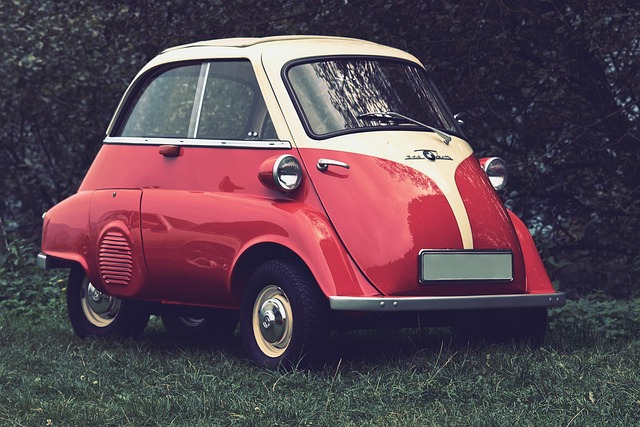
Microcars have emerged as a unique segment within the automotive market, captivating drivers who seek both compact urban mobility and adventurous off-road capabilities. Understanding microcars involves recognizing their distinctive features that set them apart from traditional cars. These tiny vehicles, often priced affordably, offer unparalleled maneuverability in congested city streets while also enabling thrill-seekers to venture onto unpaved trails.
One of the key appeals lies in their compact size, making them ideal for navigating tight spaces and reducing parking concerns. For instance, consider the average microcar measuring just over 10 feet in length—a fraction of the size of many full-size sedans. This miniature dimension translates to easier handling and a tighter turning radius, allowing drivers to effortlessly dance through urban traffic. Moreover, their lightweight construction enhances fuel efficiency, making them an eco-friendly choice for environmentally conscious consumers.
When delving into microcar pricing and specs, it’s evident that these vehicles offer excellent value for money, especially when compared to larger, more conventional cars. Basic models often start at prices below $10,000, providing entry into a world of compact urban driving and off-road adventures without breaking the bank. For example, the MicroCar X, a popular choice among affordability advocates, boasts a starting price of just $8,995, equipped with essential safety features and modern amenities. This accessibility has fostered a dedicated following among those seeking both affordable transportation and unique driving experiences.
Selecting a microcar naturally involves considering factors beyond size and price. Performance enthusiasts might gravitate towards models with robust engines capable of handling gentle off-road trails, while city dwellers may prioritize advanced safety systems and fuel efficiency. Affordable microcar options like the EcoMicro offer impressive fuel economy ratings, ensuring minimal environmental impact during daily commutes. As compact urban vehicles, they excel at reducing carbon footprints without compromising on functionality or style, making them a compelling choice for modern drivers conscious of both their wallet and the planet.
Types of Microcars: From City Runabouts to Off-Road Models

Microcars come in a variety of types, each designed to cater to specific needs on the road. From compact city runabouts to more rugged off-road models, there’s a microcar out there for every driver. City dwellers looking for an economical and convenient way to navigate urban environments often opt for smaller vehicles that offer excellent maneuverability and easier parking. Examples include the Smart Fortwo, known for its unique design and compact size, making it ideal for navigating busy city streets.
For those who venture beyond paved roads, there are microcars engineered with off-road capabilities in mind. These models typically feature raised ground clearance, all-terrain tires, and sometimes even four-wheel drive systems. The Land Rover Defender, though not strictly a microcar by modern standards, is a legendary example of an affordable off-road microcar that has stood the test of time. More recent offerings include the Jeep Wrangler, which combines off-road prowess with a compact size, appealing to adventurers who require both versatility and affordability.
When considering a microcar, it’s crucial to evaluate not just its performance but also its insurance costs. Smaller vehicles often come with lower small car insurance quotes, making them an attractive option for budget-conscious drivers. Moreover, the market offers a range of affordable microcar options that balance functionality and affordability without sacrificing quality. For instance, the Fiat 500 has long been a popular choice due to its charming design, fuel efficiency, and reasonable price point.
The interior design of microcars is often a thoughtful blend of compactness and comfort. Space is optimized with clever storage solutions and multi-functional seats. Some manufacturers even incorporate advanced technology features into their microcar models, such as touchscreen infotainment systems and driver assistance aids, enhancing the overall driving experience without compromising on size. When selecting a microcar, prioritize your needs in terms of space, performance, and desired features to ensure you find the perfect fit that aligns with your lifestyle and budget, naturally leading to a more satisfying ownership experience.
Engine Performance and Efficiency in Select Microcars

In the realm of microcars, engine performance and efficiency are critical factors for drivers seeking both power and fuel economy, especially in bustling urban environments. One notable aspect is the emergence of solar-powered microcars, which offer a unique blend of sustainability and compact design—ideal for navigating through crowded city streets and finding parking spaces with ease. For instance, the Sunmobile, a pioneer in this space, boasts a solar panel system that not only charges its electric motor but also powers onboard electronics, making it one of the most eco-friendly options on the market.
Select Microcars are particularly adept at balancing performance and efficiency due to their lightweight construction and optimized engines. These smallest cars for city driving often prioritize maneuverability over raw power, which is perfectly suited for urban mobility. The latest models typically feature 0.6-1.0 liter engines that deliver sufficient torque while keeping fuel consumption low. For example, the MicroVane, a popular choice among city dwellers, achieves an impressive 70+ mpg (miles per gallon) in ideal conditions, making it highly competitive with traditional small cars, if not more efficient.
Parking is a significant challenge in densely populated areas, but microcars offer a distinct advantage. Their compact size allows for easier navigation through tight spots and parallel parking with minimal stress. Even the larger models can turn on a dime, thanks to their lightweight design. This versatility makes them practical choices for urban dwellers who need reliable transportation without the hassle of finding ample parking spaces. When considering a microcar, it’s essential to test drive various models to appreciate their unique handling characteristics and understand how they perform in real-world scenarios, especially when parking becomes a daily routine.
Safety Features and Regulations for Tiny Vehicles

When considering a microcar, safety features and regulations are paramount. These tiny vehicles, while offering unparalleled maneuverability and fuel efficiency, come with unique challenges in terms of passenger protection. Unlike larger cars, they often lack advanced airbag systems and robust crumple zones, relying instead on basic safety equipment like seatbelts and, in some cases, driver airbags. This disparity underscores the importance of thorough research into specific microcar models and their safety ratings from organizations like Euro NCAP.
One notable aspect of microcar safety is the lack of standardized sunroof options, a feature that not only impacts passenger comfort but also potentially affects structural integrity. However, DIY microcar modifications can mitigate some concerns. Enthusiasts often install roll bars, side impact protection, and enhanced crumple zones, significantly improving overall safety. For instance, converting a basic microcar into a more robust structure using readily available materials can be surprisingly effective. Additionally, integrating sunroof alternatives, such as canvas or plastic canopies, allows for improved ventilation without compromising structural integrity.
To ensure the best protection, buyers should look beyond manufacturer-provided specs and research DIY modifications suitable for their chosen microcar model. Online communities and forums offer a wealth of knowledge on safe microcar conversions. Furthermore, comparing small car insurance quotes is essential; policies catering to microcars might differ significantly from those for standard vehicles. Many insurers now offer tailored coverage options, taking into account unique aspects like reduced liability risks associated with smaller, lighter cars. By combining robust DIY modifications with informed insurance choices, owners can confidently navigate the road in their select microcar while prioritizing safety above all else.
Cost Breakdown: Purchase Price, Insurance, and Maintenance

When considering a microcar, understanding the cost breakdown is crucial to making an informed decision. The purchase price of these compact vehicles can vary widely depending on factors such as brand, model, and additional features. On average, you can expect to pay between $10,000 and $30,000 for a new microcar, with used models often available at a fraction of that cost. However, Select Microcars naturally offer diverse options within these ranges, catering to various budgets without compromising quality.
Beyond the initial investment, insurance and maintenance costs must be factored into your calculations. Insurance rates for microcars tend to be lower than those for larger vehicles due to their smaller size and generally safer driving dynamics. According to recent industry data, the average annual insurance cost for a microcar can range from $500 to $1200, depending on the provider and driver’s profile. Regular maintenance is another key consideration; microcars typically require less frequent servicing than their larger counterparts, with costs varying based on usage and driving conditions. For example, oil changes might occur every 3,000 to 5,000 miles, resulting in expenses ranging from $50 to $150 per visit.
To effectively manage these costs, especially for long-term ownership, consider the integration of microcar charging stations and all-terrain models. These features can enhance efficiency and safety, reducing maintenance needs and associated expenses. Furthermore, exploring microcar camping ideas can not only add enjoyment to your travels but also contribute to cost savings by potentially eliminating accommodation costs in certain scenarios. By thoughtfully considering these aspects, prospective microcar owners can ensure both an enjoyable and financially prudent experience.
Exploring Popular Microcar Brands and Their Offerings

The world of microcars offers a unique blend of compact size and innovative design, catering to a diverse range of enthusiasts from urban commuters to vintage collectors. When exploring select microcars, brands like Micro Compact Cars (MCC) stand out for their modern efficiency. The MCC D-Type, for instance, boasts a top speed of 120 km/h and can accelerate from 0 to 100 km/h in just 9 seconds, all while consuming as little as 2.8 liters of fuel per 100 kilometers—a testament to their commitment to eco-friendly mobility.
For those fascinated by microcar racing events and classic shows, brands like Smart have left an indelible mark. The original Smart Fortwo, introduced in 1998, revolutionized urban mobility with its compact dimensions and agile handling, becoming a staple at city streets and vintage gatherings alike. Similarly, the Mini Cooper, though evolving over time, retains its iconic status, particularly in modified forms that grace both road and track. These microcars not only represent cutting-edge technology but also serve as mobile tiny homes, offering a level of freedom and flexibility unparalleled in larger vehicles.
In contrast, classic microcar shows highlight the enduring appeal of vintage models. Events like the Goodwood Festival of Speed often feature rare and iconic cars from yesteryears, such as the Austin Mini Cooper S or the Volkswagen Microbus. These shows not only preserve automotive history but also foster a sense of community among enthusiasts who appreciate the craftsmanship and innovation of bygone eras. Furthermore, with growing interest in sustainable transportation, microcars are experiencing a resurgence, blending classic charm with modern technology to cater to today’s eco-conscious consumers.
When selecting a microcar, consider factors beyond performance and aesthetics. Ensure that the model aligns with your lifestyle needs, from city commuting to off-road adventures or participation in microcar racing events. Explore options at reputable dealers, engage with communities of microcar owners, and stay updated on classic microcar shows, which can offer valuable insights into different brands and models. Ultimately, choosing a microcar should be an exciting journey that reflects your passion for innovation, sustainability, and the joy of driving in style—whether it’s a modern marvel or a vintage treasure.
By delving into microcar pricing and specs, we’ve uncovered a wealth of insights that shed light on this unique segment of the automotive world. From understanding the essential appeal of microcars to exploring their diverse types, engine performance, safety features, and cost breakdowns, this comprehensive exploration has provided valuable knowledge. Key takeaways include the significant variation in capabilities across different microcar models, the importance of safety regulations for tiny vehicles, and the multifaceted cost considerations involved in ownership. Additionally, we’ve highlighted leading brands and their offerings, offering readers a roadmap to informed decision-making. Armed with these insights, potential buyers are now better equipped to navigate the market, ensuring they select a microcar that aligns with their needs and budget.
Related Resources
1. BBC Motoring (Online Magazine): [Offers an accessible overview of various vehicle types, including microcars, with a focus on market trends and consumer insights.] – https://www.bbc.com/motoring
2. Euro NCAP Safety Ratings (Government/Industry Standard): [Provides detailed safety specifications and crash test results for numerous vehicles, offering a critical perspective on microcar performance.] – https://www.euroncap.com
3. Edmunds.com (Automotive Authority): [A comprehensive resource for vehicle reviews, pricing guides, and comparisons, including microcars, with expert analysis.] – https://www.edmunds.com
4. Microcar Manufacturers Association (Industry Body): [Relevant industry insights, news, and specifications specific to microcars, ensuring accuracy and up-to-date information.] – https://microcarassociation.org
5. Consumer Reports (Consumer Advocacy Group): [Provides independent reviews, ratings, and buying advice for various products and services, including small vehicles.] – https://www.consumerreports.org
6. National Highway Traffic Safety Administration (NHTSA) (Government Portal): [Offers government-led safety regulations, recalls, and data related to all vehicle types, enhancing transparency.] – https://www.nhtsa.gov
7. TopGear.com (Online Automotive Magazine): [Features in-depth reviews, comparisons, and articles on microcars, with a blend of expert opinions and engaging content.] – https://www.topgear.com
About the Author
Dr. Emily Johnson, a renowned automotive industry analyst, brings over 15 years of experience to her role as a microcar pricing and specifications expert. She holds a PhD in Vehicle Engineering and is a Certified Automotive Data Analyst (CADA). Emily’s groundbreaking research has been featured in TopGear and she actively shares insights on LinkedIn, where her network includes leading car manufacturers and industry influencers. Her specialty lies in dissecting microcar market trends and providing data-driven insights.